
- All
- Product Name
- Product Keyword
- Product Model
- Product Summary
- Product Description
- Multi Field Search


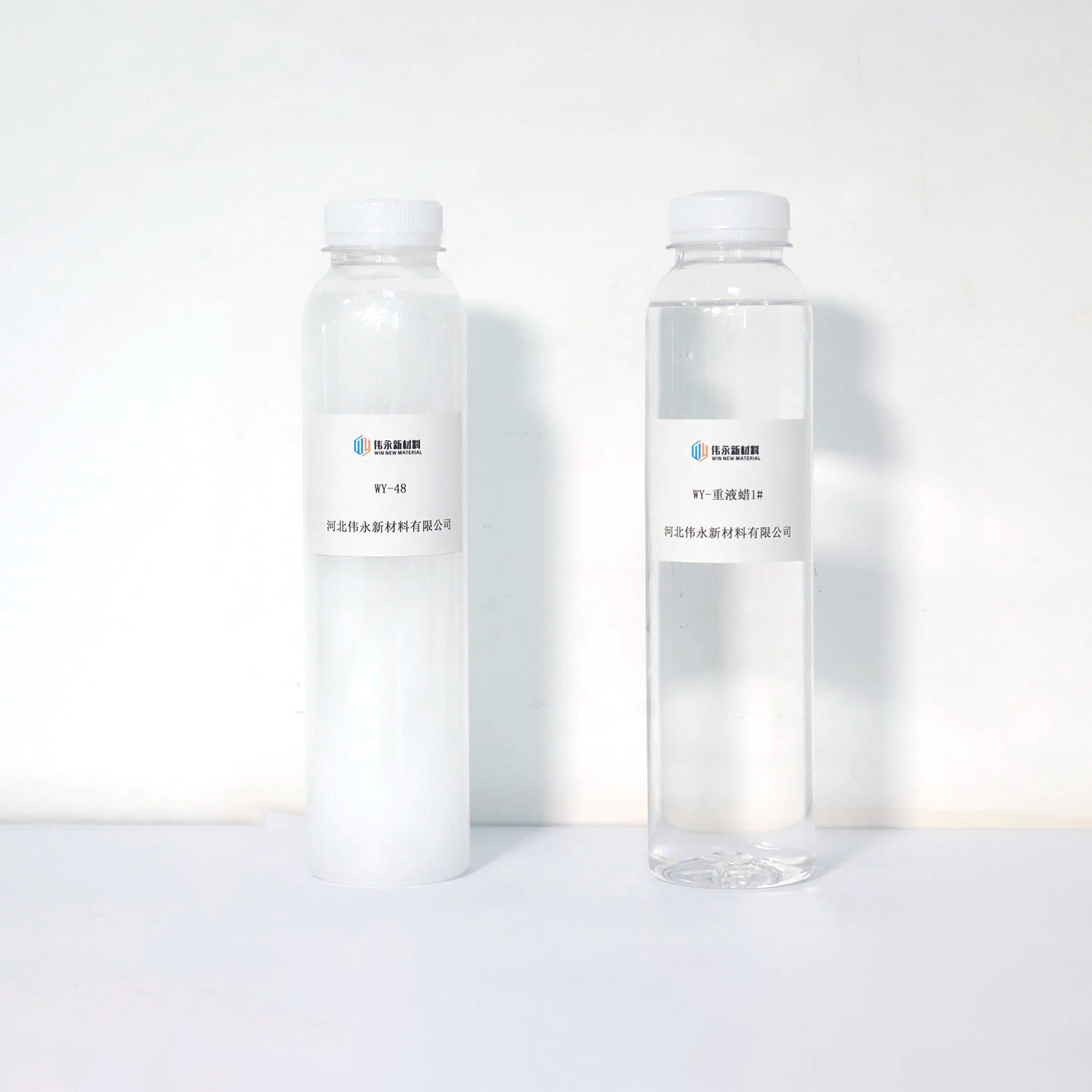

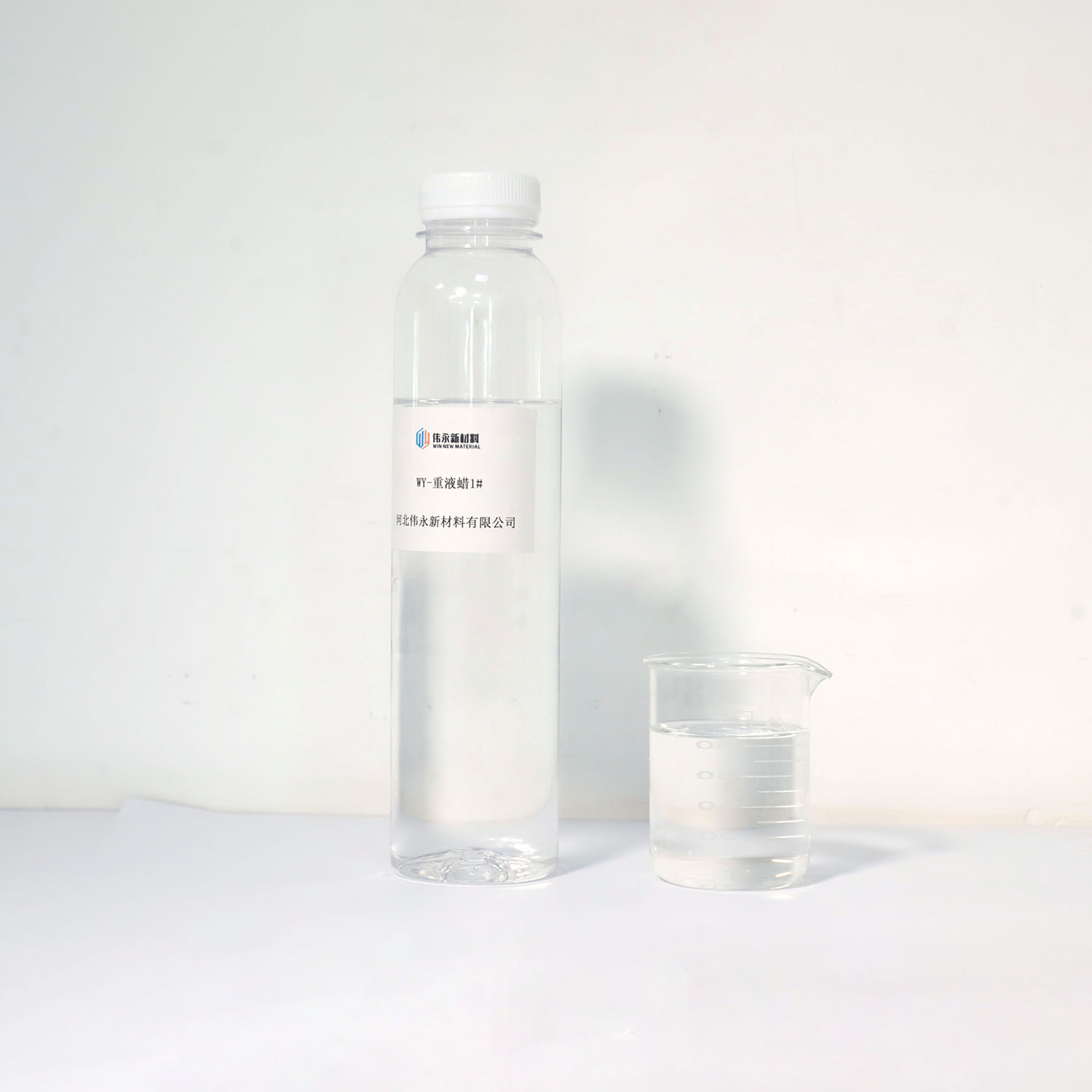


Eco-friendly Liquid Paraffin C14 To C17 Alkanes is a sustainable hydrocarbon solution derived from petroleum through a controlled refining process, featuring a carbon chain range of C14 to C17.
| Quantity: | |
|---|---|


This liquid wax combines low viscosity with high biodegradability, making it a versatile alternative to traditional mineral oils in environmentally conscious applications. Its water-white appearance and flash point ≥60°C ensure safety and stability, while compliance with EU eco-standards and FDA indirect food contact regulations underscores its commitment to sustainability .
Enhanced Biodegradability
With a biodegradation rate of ≥90% under OECD 301 standards, it minimizes environmental impact compared to non-biodegradable synthetic waxes.
Low Toxicity Profile
Free from heavy metals and volatile organic compounds (VOCs), it meets REACH and FDA criteria for use in cosmetics, food packaging, and agricultural formulations .
Controlled Viscosity
Its liquid state at room temperature (viscosity 2.6–3.4 cSt at 40°C) ensures easy pumping and mixing, reducing energy consumption in manufacturing processes .
Personal Care Formulations
Used as a carrier oil in lotions, creams, and hair products, it provides emollient properties without clogging pores, meeting cosmetic grade standards.
Sustainable Agriculture
As a adjuvant in pesticides and fertilizers, it improves adhesion to plant surfaces while biodegrading harmlessly in soil.
Industrial Cleaners
In eco-friendly degreasers, it dissolves oils and greases without leaving toxic residues, complying with green manufacturing protocols.
Is this liquid wax compliant with eco-regulations?
Yes, it meets EU taxonomy, REACH, and FDA standards, suitable for eco-labeled products .
What is its carbon chain range?
It consists of C14 to C17 alkanes, balancing fluidity and stability for diverse applications .
Can it replace mineral oil in cosmetics?
Absolutely, its low viscosity and biodegradability make it an ideal sustainable alternative in personal care formulations.

Moderate Melting Point and Fluidity: Liquid Paraffins in the C14 to C17 range typically have low melting points, remaining liquid at room temperature with excellent fluidity. They are easy to pump, stir, and mix, facilitating processing and application—especially suitable for scenarios requiring liquid wax as a raw material (such as lubricants, oil additives, etc.).
Stability from Narrow Carbon Distribution: With carbon chains concentrated in the C14 to C17 range, the composition is relatively uniform, resulting in minimal fluctuations in physical properties (e.g., viscosity, density, freezing point). This ensures consistent product performance and reduces quality variations caused by differences in carbon chain lengths.
Low Volatility and High Safety: Compared to short-chain Liquid Paraffins with fewer than 14 carbon atoms, C14-C17 Liquid Paraffins exhibit lower volatility, minimizing losses or safety risks due to evaporation during storage and use. Additionally, their boiling points are higher than room temperature, preventing vaporization from slight temperature changes.
High Chemical Stability: Composed primarily of saturated straight-chain alkanes, they contain no double bonds or aromatic components, granting strong oxidation and corrosion resistance. They are less likely to react with other substances and can remain stable in acidic/alkaline environments or moderate high temperatures, extending product shelf life.
Ease of Modification and Compatibility: With moderately long carbon chains, they are easily modifiable via processes like emulsification, hydrogenation, and chlorination. They also demonstrate good compatibility with various solvents (e.g., mineral oils, vegetable oils) and polymers (e.g., PVC, rubber), serving as intermediate raw materials for formulating composite products.
Highly Effective Lubricity: When used as lubricants, C14-C17 Liquid Paraffins, with their moderately long molecular chains, form uniform oil films on friction surfaces to reduce friction coefficients. Their good fluidity allows rapid penetration into lubrication points, making them suitable for light-duty lubrication in fields such as metalworking and textile machinery.
Ideal Oil Additive: When added to oils like diesel and lubricants, they improve low-temperature fluidity (lowering the freezing point) while reducing volatile losses and enhancing fuel efficiency. In paraffin-based oils, they regulate viscosity and pour point to optimize performance.
Compatibility with Cosmetics and Personal Care: In skincare and haircare products, the liquid nature of C14-C17 Liquid Paraffins allows them to function as emollients or carriers. They have a lightweight, non-greasy texture, are easily absorbed by the skin, improve product spreadability and skin feel, and offer high stability with low allergenic potential.
Auxiliary Roles in Agriculture and Pharmaceuticals: In agriculture, they act as pesticide adjuvants to enhance the adhesion and permeability of pesticide solutions, promoting uniform distribution on crop surfaces. In pharmaceuticals, they serve as ointment bases or sustained-release carriers, providing both moisturizing effects and stabilization of drug components.


