
- All
- Product Name
- Product Keyword
- Product Model
- Product Summary
- Product Description
- Multi Field Search
Views: 151 Author: Site Editor Publish Time: 2026-09-05 Origin: Site


Formulation engineers constantly face a tough choice on the production floor. You want to keep material costs strictly under control. Yet, you need reliable performance and high output quality every single time. This formulation dilemma often comes down to choosing the right wax. Standard paraffin offers a tempting upfront price. However, it frequently struggles in demanding industrial environments. It degrades under high heat, migrates easily, and ultimately ruins product finishes. Balancing this low initial price against the high-performance stability of polyethylene formulations remains crucial. In this guide, we explore how these two waxes compare across physical properties and chemical structures. We examine their unique behaviors in challenging industrial applications. You will learn how to optimize your specific recipes for plastics, masterbatches, and adhesives. We will help you secure the absolute best results without over-engineering your process or overspending on unnecessary additives.
Thermal Thresholds: PE wax offers significantly higher melting points (typically 100°C–120°C) compared to paraffin wax (45°C–65°C), preventing volatilization during high-heat processing.
Molecular Structure: The branched, higher molecular weight of PE wax provides superior structural integrity, while paraffin’s lower molecular weight makes it highly susceptible to migration.
Application Alignment: Paraffin remains viable for low-stress, low-temperature applications (e.g., candles, basic coatings), whereas PE wax is critical for high-shear environments like plasticization and dispersion.
Total Cost of Ownership: While PE wax carries a higher per-unit cost, its lower required dosage and reduction of machine downtime often yield a lower net formulation cost in industrial applications.
Paraffin relies on low-molecular-weight hydrocarbon chains. These carbon chains are relatively simple and extremely short. They lack the complex branching found in engineered polymers. In stark contrast, PE wax consists of highly synthesized polymer chains. Manufacturers carefully control this polymerization process. They create specific molecular weights tailored for industrial use. These distinct structural differences directly dictate the final material hardness. They also determine overall chemical resistance across various applications.
Paraffin tends to be quite soft at room temperature. It reacts poorly when exposed to harsh industrial solvents. Polyethylene variants remain incredibly hard. They feature dense crystalline regions. These regions absorb impact energy and resist chemical breakdown efficiently. High-density polyethylene options offer incredible scuff resistance. You need this specific durability for industrial coatings and heavy-duty plastics. Paraffin lacks this dense packing ability. It rubs off easily under minimal physical friction.
Thermal stability separates these two materials significantly. Engineers closely monitor melting ranges in every formulation. Paraffin melts between 45°C and 65°C. This low threshold works well for simple consumer goods. Polyethylene variants melt between 100°C and 120°C or even higher. Industry standards, such as ASTM D87 testing, verify these specific thermal thresholds rigorously.
When operators exceed established thermal limits, severe processing problems immediately occur. You will face several distinct mechanical failures:
Rapid Smoke Generation: The material oxidizes and releases toxic smoke into the facility.
Viscosity Collapse: The compound thins out uncontrollably inside the extruder barrel.
Mechanical Property Loss: The final product becomes brittle and shatters under normal stress.
Table 1: Thermal and Physical Property Comparison
Property Metric | Paraffin Wax | Polyethylene Wax |
|---|---|---|
Molecular Structure | Short, straight hydrocarbon chains | Long, branched synthetic polymers |
Typical Melting Point | 45°C – 65°C | 100°C – 120°C+ |
Thermal Stability | Low (Volatilizes quickly) | High (Resists degradation) |
Surface Hardness | Soft, easily scuffed | Hard, scratch-resistant |
Viscosity profiles change drastically at standard processing temperatures. Melt viscosity determines exactly how the material flows through complex machinery. Polyethylene maintains sufficient viscosity to aid in continuous shear. It keeps the polymer mixture stable during intense processing. It transfers mechanical energy evenly across the entire batch.
Paraffin drastically thins out when heated to industrial temperatures. This rapid thinning leads to severe friction imbalances. Machine components experience uneven wear and tear. The melt flow becomes erratic and unpredictable. You lose control over the dimensional stability of your extruded profiles.
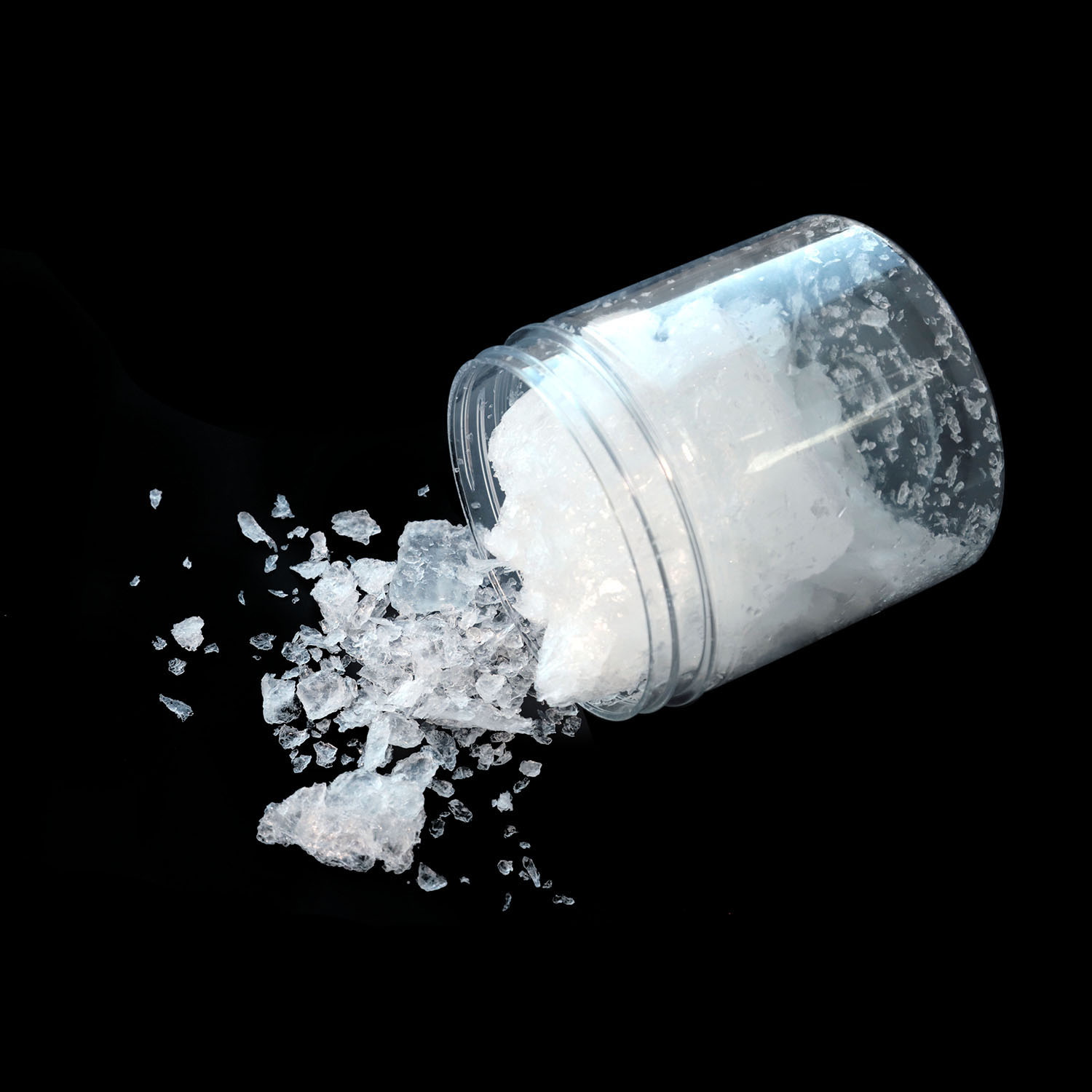
Internal and external lubrication dynamics vary wildly between these two additives. Internal lubrication reduces friction directly between the polymer chains. External lubrication prevents the molten polymer from sticking to hot metal surfaces. Paraffin acts primarily as a low-temperature external lubricant. It works adequately for simple, low-stress tasks. However, it fails completely under high shear forces.
When temperatures rise inside an extruder, paraffin dissolves directly into the polymer matrix. It unintentionally becomes a poor internal lubricant. This drops the melt viscosity dangerously low. Conversely, a PE wax lubricant functions efficiently at extreme temperatures. It remains highly incompatible with the main polymer melt. It stays securely on the outside. It creates a robust slip layer between the plastic and the metal barrel. This targeted action delays premature fusion. It also prevents destructive melt fracture during high-speed extrusion.
Best Practices for Lubricant Selection:
Monitor torque readings on your twin-screw extruders constantly.
Adjust external lubricant levels if you observe premature fusion.
Never rely on paraffin alone for high-shear, high-temperature PVC recipes.
Machinery often suffers from a frustrating phenomenon called plate-out. Plate-out occurs when additives separate from the main resin during processing. These separated materials stick to the die surface aggressively. Paraffin exhibits extremely high volatility at standard processing temperatures. This specific volatility makes it a primary cause of plate-out in molds and dies. The residue coats precision metal parts very quickly.
This buildup slowly changes the internal die geometry. Your extruded pipes or profiles lose their tight dimensional tolerances. You must completely shut down the line to scrape the die clean. Polyethylene severely restricts machine deposition due to its superior thermal stability. It resists volatilizing into a gas. It stays exactly where you need it. This distinct stability extends continuous run times significantly. You spend far less time cleaning expensive equipment.
Different industries require highly specific wax properties for success. Plastics and PVC processing demand rigorous lubrication control. Using PE wax for PVC extrusion remains highly viable across the globe. Rigid PVC (uPVC) requires delayed fusion to prevent catastrophic degradation. If the PVC melts too early in the barrel, the chlorine atoms break off. The plastic turns brown or black instantly.
Polyethylene controls this crucial fusion rate precisely. It allows the PVC to travel further down the barrel before melting fully. It also improves surface gloss on the final extruded product. It prevents the sticky plastic from adhering to the hot extruder barrel. Manufacturers rarely use paraffin alone in rigid PVC formulations. It migrates too quickly to the surface. This rapid migration risks severe surface defects and ruins printability.
Color masterbatches require excellent wetting capabilities to succeed. You want extremely high pigment loading in your batches. Pigments naturally want to clump together tightly. Both waxes wet these pigments very differently. A PE wax dispersing agent remains the undisputed industry standard here. It handles high-concentration color masterbatches easily and efficiently.
It coats every single pigment particle thoroughly. It lowers the surface tension across the entire mix. It separates the microscopic particles evenly. This prevents frustrating agglomeration during intense mixing. Importantly, it achieves this dense dispersion without compromising mechanical strength. The carrier resin retains its expected durability and impact resistance. Paraffin simply cannot withstand the immense shear forces inside an internal mixer.
Hot melt adhesives rely on precise timing for automated packaging lines. Waxes directly impact Open Time and Set Time. Open time dictates how long the glue stays sticky after application. Set time determines how fast it hardens upon compression. Paraffin often reduces overall adhesive strength. It makes the hardened glue highly brittle under stress.
Polyethylene adjusts viscosity reliably without sacrificing bond integrity. It maintains structural cohesion at elevated temperatures. Your adhesives stay exceptionally strong and flexible. When sealing corrugated boxes on rapid assembly lines, this stability prevents premature pop-opens.
Commodity pricing gives paraffin an undeniable upfront advantage. It costs significantly less per kilogram on the open market. Refineries produce it abundantly as a standard by-product. Polyethylene requires intentional, controlled synthesis. This complex manufacturing process naturally commands a higher initial price tag.
However, practical addition rates tell a completely different story. Polyethylene requires much lower volumes to achieve optimal results. You often need 50% less volume to secure superior lubrication effects. You might use 2.0 parts per hundred resin (phr) of paraffin. You might only need 0.5 phr of a specialized polyethylene alternative. This impressive dosage efficiency quickly offsets the initial commodity price difference.
Under-specifying your wax introduces massive hidden financial impacts. Using standard paraffin in high-stress applications causes relentless problems. You will experience increased scrap rates on the production floor. Surface defects force immediate product lot rejections. Pigment streaking ruins expensive color batches instantly.
Machine maintenance downtime eats heavily into your daily production schedules. Every hour spent cleaning plate-out costs thousands of dollars in lost revenue. Investing in a thermally stable additive prevents these cascading financial losses.
Formulation blending offers a highly practical middle ground for engineers. Many commercial strategies intentionally blend both waxes together. This approach carefully balances strict budgetary constraints. It also meets the baseline thermal requirements of the specific machinery.
Common Mistakes in Blending:
Failing to test the blend at peak extrusion temperatures.
Ignoring early signs of residue on the mold surfaces.
Refusing to adjust the blending ratios based on seasonal ambient temperatures.
Switching waxes requires careful planning and rigorous testing. Formulation compatibility testing is absolutely mandatory. Do not attempt a 1:1 volumetric swap on the floor. Replacing paraffin requires recalibrating your processing temperatures entirely. You must also adjust your machinery sheer rates.
These two materials behave very differently under intense pressure. Polyethylene alters the torque readings on your equipment. You must run small-scale trials to find the new optimal operating window. Document these changes clearly for your machine operators.
Incomplete dispersion poses a significant risk during any material transition. Extruder temperatures might inadvertently remain at historical paraffin settings. If so, the higher-melting wax may not fully melt inside the barrel. Unmelted particles create distinct physical defects.
Your final product might contain visible specks or weak points. Engineers call these un-melted lumps "fish eyes" in blown film applications. Always verify your heating zones. Ensure they exceed the specific melting point of your new additive.
Regulatory and compliance checks remain critical for global manufacturers. Food-grade paraffins carry specific historical approvals. When transitioning, you must verify new compliance standards thoroughly. Check FDA 21 CFR food contact rules if applicable to your packaging. Verify REACH compliance for all European market exports. Ensure your chosen synthetic additive meets all local and international legal requirements.
Choosing the right formulation additive requires a clear understanding of your processing environment. Choose paraffin for low-temperature, low-stress applications where material cost is your only real driver. Mandate polyethylene variants for high-temperature extrusion tasks. It handles dense pigment dispersion perfectly. It also ensures mechanical stability across your entire product line. The higher upfront cost acts as a reliable insurance policy. It actively protects your operation against catastrophic processing failures and excessive material waste.
Take immediate action to optimize your production line today. Request detailed technical data sheets (TDS) from your supplier. Order small-batch samples for initial laboratory testing. Run precise viscosity and thermal degradation trials. Finally, calibrate these tests strictly on your specific manufacturing equipment to guarantee successful implementation.
A: Yes, they are frequently blended in hot melt adhesives and rubber compounding. This specific strategy helps achieve intermediate melting points safely. It also allows manufacturers to balance overall formulation costs while maintaining acceptable thermal stability during processing.
A: Paraffin degrades and volatilizes quickly at standard PVC processing temperatures. It migrates rapidly to the outer surface of the polymer matrix. This uncontrolled migration causes poor printability, diminished surface gloss, and excessive machine plate-out.
A: High-quality polyethylene is highly transparent and pure. It possesses excellent intrinsic color stability. It generally prevents the unwanted yellowing often associated with oxidized paraffin during high-heat manufacturing processes.
A: It is a fully synthetic material. Manufacturers derive it directly from the polymerization of ethylene gas or the thermal cracking of polyethylene resin. Conversely, standard paraffin is typically a refined petroleum by-product.


