
- All
- Product Name
- Product Keyword
- Product Model
- Product Summary
- Product Description
- Multi Field Search
Views: 128 Author: Site Editor Publish Time: 2026-09-15 Origin: Site


Incorrect wax selection in industrial formulations often leads to costly, frustrating defects. You might experience unexpected adhesive failure, unwanted polymer migration, or severe equipment bottlenecks caused by improper lubrication. Identifying the root cause of these issues is crucial for maintaining production efficiency. While both Fischer-Tropsch (FT) and microcrystalline waxes are highly valued in compounding and manufacturing, they are absolutely not interchangeable.
Their fundamental differences in molecular origin dictate entirely different performance profiles across all applications. We developed this guide to provide formulation chemists and procurement managers an evidence-based evaluation framework. You will learn how to accurately compare these materials and select the right wax for your specific industrial applications. By understanding their distinct physical behaviors, you can optimize your formulations, eliminate processing errors, and ensure reliable end-product performance.
Molecular Origin: FT wax is a synthetic polymer created via gas-to-liquid technology, while microcrystalline wax is a refined petroleum byproduct.
Performance Profile: FT waxes deliver high crystallinity, extreme hardness, and exceptionally low viscosity; microcrystalline waxes provide flexibility, higher viscosity, and tackiness.
Formulation Impact: Swapping these waxes is rarely a 1:1 replacement; it requires strategic adjustments to melt points, open times, and lubrication balances.
Supply Consistency: Synthetic FT waxes offer narrower molecular weight distributions and higher batch-to-batch consistency compared to naturally variable microcrystalline waxes.
To understand why these materials perform differently in a manufacturing environment, you must first look at how they are created. A wax’s behavior during melting, cooling, and binding relies entirely on its molecular chain structure.
Manufacturers produce fischer tropsch synthesis wax through a highly controlled gas-to-liquid (GTL) process. They react carbon monoxide and hydrogen—typically sourced from natural gas or coal—under high pressure over customized catalysts. This chemical synthesis builds hydrocarbon chains practically from scratch.
Highly Linear Structure: The synthesis produces straight, unbranched hydrocarbon chains. These straight chains pack closely together as they cool.
High Crystallinity: Because the molecules align perfectly, they form a dense, uniform, highly crystalline material.
Predictable Outcomes: The tightly packed structure leaves no room for trapped oils, resulting in a completely dry, hard material.
Microcrystalline wax comes from an entirely different source. Refineries extract it from the heavy distillates left over during crude oil processing, primarily from petrolatum. Rather than building chains from scratch, producers separate and purify existing molecules found in crude oil.
Complex Chain Branching: Microcrystalline molecules contain complex isoparaffinic (branched) and naphthenic (cyclic) structures.
Amorphous Behavior: The branched chains cannot pack neatly together. They create chaotic, amorphous regions within the material.
Trapped Oils: These microscopic gaps trap small amounts of oil within the micro-crystal structure. This specific feature gives the material its signature flexibility and surface tack.
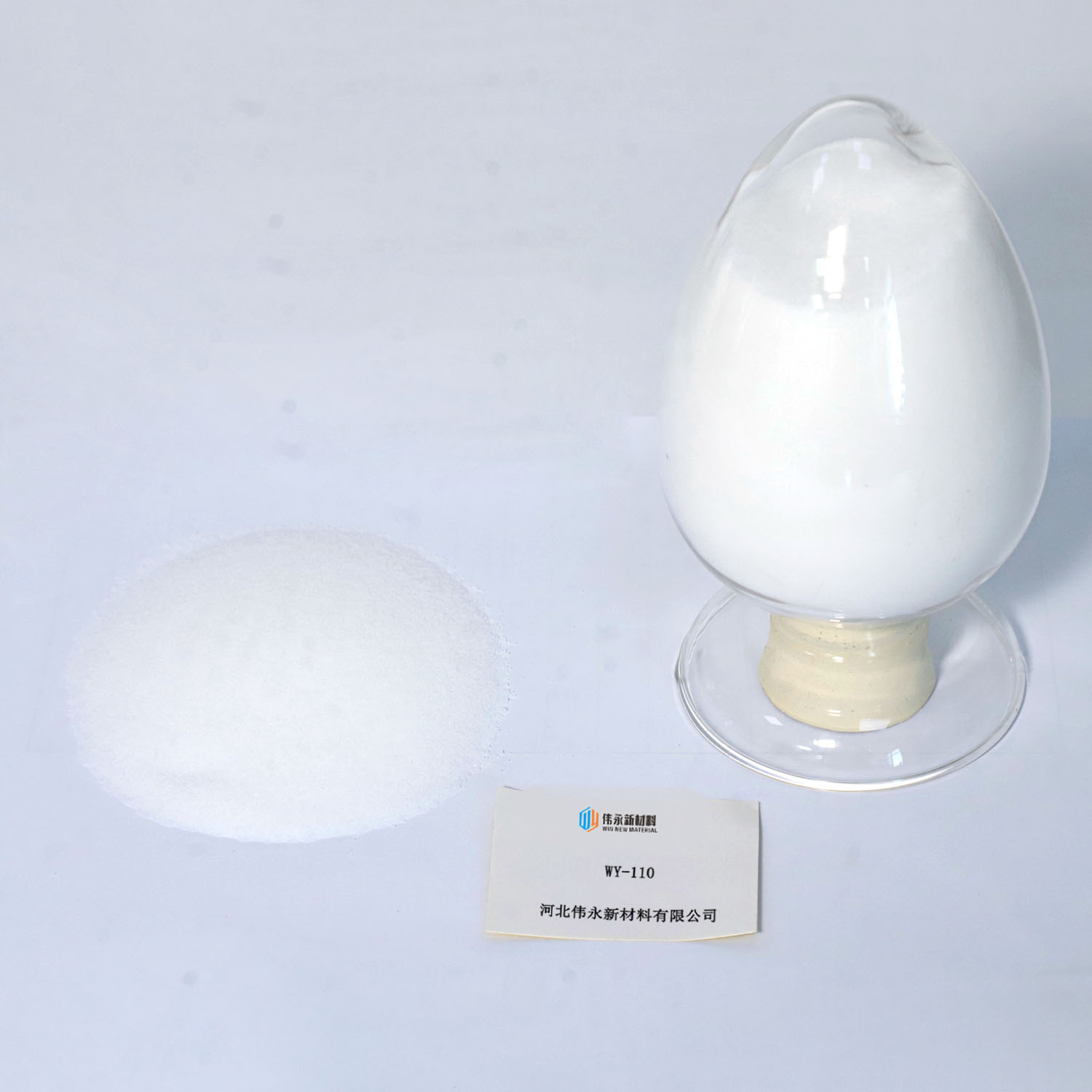
Understanding the molecular origins helps explain the physical traits you observe in the lab. When formulating an industrial product, you evaluate waxes across three core dimensions: viscosity, hardness, and thermal stability. Comparing fischer tropsch wax against microcrystalline variants reveals stark contrasts in how they respond to heat and stress.
Viscosity determines how well a material flows when heated. FT wax exhibits a sharp melting curve. It transitions from a hard solid to a highly fluid liquid almost instantly upon reaching its melting point. It possesses exceptionally low melt viscosity. This makes it ideal for applications requiring rapid setting, deep penetration, and high flow.
Microcrystalline wax behaves quite differently. It melts gradually over a broader temperature range. Even when fully melted, it retains a significantly higher melt viscosity. It remains thick and sticky. You should choose this material for applications requiring sustained flexibility without unwanted dripping or migrating at elevated temperatures.
Chemists measure wax hardness using a standard needle penetration test. A needle drops onto the wax surface under a specific weight, and the depth is recorded. FT wax is extremely hard, registering very low needle penetration values. This intense hardness provides excellent scratch, scuff, and abrasion resistance in final products.
Microcrystalline wax registers much higher needle penetration scores. It is notably softer, pliable, and malleable. If you press your fingernail into it, it yields easily. This softness makes it highly resilient against physical impact and repetitive flexing, preventing cracking under stress.
The congealing point indicates the temperature at which a liquid wax begins to solidify. FT wax generally possesses a much higher congealing and melting point than its counterparts. It maintains outstanding structural integrity under elevated ambient temperatures. Microcrystalline wax, while stable, typically softens at lower temperatures due to its internal oil content.
Standard Physical Properties Comparison
Property Metric | Fischer-Tropsch Wax | Microcrystalline Wax |
|---|---|---|
Melt Viscosity | Exceptionally Low (Water-like flow) | High (Thick and tacky flow) |
Needle Penetration | Very Low (Hard and brittle) | High (Soft and pliable) |
Melting Curve | Sharp and immediate | Broad and gradual |
Crystallinity | High (Dense packing) | Low (Amorphous regions) |
Choosing the right additive transforms theoretical chemistry into real-world manufacturing success. You must match the material's physical traits directly to your desired industrial outcome.
Adhesives rely heavily on precise thermal behavior to form strong bonds quickly.
When to use FT Wax: You should use it to sharply reduce adhesive viscosity. It speeds up set times dramatically in fast-paced packaging environments. It also improves the final adhesive's resistance to heat degradation.
When to use Microcrystalline: You integrate it to increase "open time"—the window before the glue sets. It vastly improves flexibility, preventing the glue from snapping when the bonded material bends. It also enhances low-temperature bond strength.
In polymer compounding, wax functions primarily as a processing aid and lubricant.
Using fischer tropsch wax for industrial processing: It acts as a highly efficient external lubricant in PVC and CPVC pipe manufacturing. It successfully delays fusion time, prevents the hot plastic from sticking to the metal machinery, and provides a high-gloss final finish without causing plate-out (residue buildup).
Microcrystalline role: Manufacturers use it less commonly as a primary lubricant in extrusion. Its higher viscosity and amorphous nature can lead to compatibility issues and unwanted friction at high extrusion temperatures.
Surface treatments require specific protective characteristics to maintain aesthetic appeal and durability.
FT Wax: It delivers superior rub and scratch resistance. Ink formulators use it to prevent freshly printed cartons from smudging during transport. It hardens industrial floor polishes effectively.
Microcrystalline: It is far better suited for anti-corrosion coatings, rustproofing compounds, and laminating applications. Its ability to trap moisture and flex without cracking makes it an exceptional barrier material.
Beyond physical performance, procurement and compliance teams evaluate raw materials based on consistency, safety, and supply chain reliability. The manufacturing origin of these waxes plays a massive role in their commercial viability.
Because engineers synthesize FT wax from basic gases, they control the exact chain lengths produced. Formulators face far fewer molecular weight variations when ordering this material. You receive a highly predictable product every single time, ensuring manufacturing outcomes remain stable. This synthetic reliability reduces the need to re-test and adjust formulas for every new pallet received.
Conversely, microcrystalline wax depends entirely on crude oil feedstocks. Crude oil varies wildly depending on its geographic origin. These natural variances inevitably pass into the final refined material. You may frequently find yourself tweaking formulations or adjusting machine temperatures to accommodate batch-to-batch inconsistencies.
Purity is paramount in food packaging, cosmetics, and medical manufacturing. The gas-to-liquid process yields a remarkably clean product. Formulators prefer white fischer tropsch wax because it is inherently free of sulfur, nitrogen, and heavy aromatic impurities. It emerges from the reactor practically colorless and odorless, making it highly suitable for strict FDA-compliant clean industrial applications.
Microcrystalline wax starts as a dark, heavy, odor-heavy crude byproduct. Refineries must subject it to extensive, expensive hydrotreating processes to strip away impurities. Even after heavy refinement, achieving the absolute pristine color and odorlessness of a synthetic wax remains a significant engineering challenge.
When supply chain disruptions or cost-saving initiatives force a material change, you must proceed with extreme caution. Blindly swapping one wax for another will almost certainly ruin your production run.
Replacing microcrystalline wax with FT wax directly is a common and costly mistake. They are not drop-in replacements for one another. If you swap them 1:1, you will drastically reduce the overall formulation viscosity. The final product will likely suffer from premature embrittlement, cracking instantly under mechanical stress due to the sudden loss of flexibility.
When you transition to a synthetic alternative in polymer processing, you must carefully recalculate your lubrication balance. Due to its intense efficiency as an external lubricant, you typically need to reduce your total wax dosage. Formulators often cut the dosage by 15% to 30%. Failing to reduce the volume leads to over-lubrication, preventing the PVC from fusing correctly inside the extruder.
Adhesive formulators face significant hurdles when switching away from microcrystalline materials. The new formula will set extremely fast. To manage this reduced open time, you must proactively add specific tackifiers to the blend. You may also need to adjust the primary polymer ratios to prevent the hot melt adhesive from solidifying completely before the manufacturing machinery can join the substrates together.
Formulation Adjustment Chart
Change Scenario | Primary Risk | Recommended Corrective Action |
|---|---|---|
Switching to FT Wax in Polymers | Over-lubrication, delayed fusion | Reduce wax dosage by 15-30% |
Switching to FT Wax in Adhesives | Loss of open time, brittle bonds | Increase tackifier ratio significantly |
Switching to Micro Wax in Coatings | Loss of scuff resistance, tacky finish | Blend with high-density polyethylene (HDPE) |
Selecting the appropriate industrial wax dictates the success or failure of your formulation. You should rely on clear shortlisting logic to guide your procurement strategy. Choose Fischer-Tropsch wax when your application demands incredibly low viscosity, high hardness, rapid set times, and immaculate purity. You should choose microcrystalline wax when your end product strictly requires flexibility, surface tackiness, higher melt viscosity, and strong impact resistance.
To move forward effectively, define the primary failure point in your current formulation. Determine if your product is migrating, setting too slowly, or failing under thermal stress. Once you isolate the defect, request targeted samples of specified melt-point FT or micro waxes. Conduct rigorous thermal stress testing in your lab before initiating a full-scale manufacturing rollout.
A: Yes. They are routinely blended in hot melt adhesives and rubber compounding to achieve a bespoke balance of high melting point (from FT) and flexibility (from microcrystalline).
A: Historically, FT waxes command a premium due to the complex synthesis process, but their high efficiency means lower dosing is often required, neutralizing the cost-in-use. Furthermore, synthetic supply chains are often more price-stable than crude-oil dependent microcrystalline markets.
A: The high crystallinity of FT wax promotes a glossy, smooth finish (ideal for PVC and polishes) but can cause opacity/cloudiness in clear formulations if improperly dosed.


