
- All
- Product Name
- Product Keyword
- Product Model
- Product Summary
- Product Description
- Multi Field Search
Views: 0 Author: Site Editor Publish Time: 2026-10-15 Origin: Site


Formulators face constant technical friction when balancing surface protection with strict aesthetic demands. High-performance inks and coatings require excellent scratch, mar, and rub resistance while maintaining perfect gloss, clarity, and color fidelity. Premature coating failure causes severe downstream issues. Ink smudging during high-speed printing ruins entire production runs. Poor pigment dispersion leads to rejected batches. These failures inflate production costs and introduce significant product liability risks. Integrating specific grades of PE wax directly resolves these rheological and surface challenges. This additive chemistry modifies surface tension, protects the underlying resin matrix, and ensures consistent application across various substrates. Selecting the right wax formulation prevents these costly defects and stabilizes your production line.
PE wax functions primarily as a surface modifier and dispersant, directly improving abrasion resistance, slip, anti-blocking properties, and tactile feel in cured films.
Selection depends heavily on the formulation system; oxidized wax for printing inks and coatings offers superior emulsification and compatibility in water-based and polar systems.
For clear or light-colored applications, specifying a low color index oxidized wax for coatings is critical to prevent thermal yellowing or tinting.
Proper integration requires balancing particle size, melting point, and emulsion stability to avoid unintended gloss reduction, precipitation, or recoatability issues.
Surface modification dictates how a cured film interacts with its environment. Additives must alter the physical properties of the top layer without compromising the bulk resin. Formulators rely on polyethylene wax industrial additives to achieve this precise control. The effectiveness of these additives relies on specific physical mechanisms during the curing phase. You must understand how the wax behaves from the moment it leaves the applicator until the film fully crosslinks or dries.
The physical process begins immediately after application. As solvents evaporate or UV initiators trigger crosslinking, the coating transitions from a liquid to a solid state. During this phase, wax particles migrate toward the surface layer. This migration happens because the wax is intentionally incompatible with the shrinking resin matrix.
Application and Leveling: The wet film is applied to the substrate. The wax particles are evenly distributed throughout the liquid matrix.
Solvent Evaporation: As the solvent flashes off, the concentration of the resin increases. The system becomes thermodynamically unstable for the wax.
Migration: Driven by this incompatibility and convection currents within the drying film, the wax particles move toward the liquid-air interface.
Precipitation and Crystallization: The wax precipitates out of the solution and forms fine crystals at the very top of the coating layer.
This crystallization creates a continuous micro-rough film across the surface. This microscopic roughness reduces the coefficient of friction significantly. The resulting layer acts as a physical buffer against mechanical stress. Objects slide over the surface rather than digging into the resin. Furthermore, this crystalline structure imparts a smooth, premium tactile feel to the finished surface. Consumers perceive this smoothness as a marker of high quality in packaging and industrial finishes.
You cannot improve what you cannot measure. Formulators evaluate wax efficacy using strict, standardized testing methods. Relying on visual inspection is insufficient for industrial applications. You must quantify the surface protection.
Test Method | Target Metric | Application Focus | Success Indicator |
|---|---|---|---|
Taber Abrasion (ASTM D4060) | Weight loss (mg) after specified cycles | Industrial floor coatings, metal finishes | Minimal weight loss, intact film integrity |
Sutherland Rub Test (ASTM D5264) | Visual degradation and ink transfer | Printed packaging, labels, folding cartons | No visible smearing or ink transfer to the test block |
Gloss Retention (ASTM D523) | Percentage of original 60° gloss maintained | Clear coats, automotive finishes, high-gloss inks | High retention percentage after mechanical abrasion |
Coefficient of Friction (ASTM D1894) | Static and kinetic friction values | Coil coatings, packaging films | Targeted slip value achieved without over-slipping |
Beyond these tests, baseline chemical requirements dictate selection. The chosen additive must exhibit exceptional chemical stability. High hardness is non-negotiable for scratch resistance. UV resistance ensures the wax will not degrade, yellow, or chalk when exposed to sunlight over long periods.
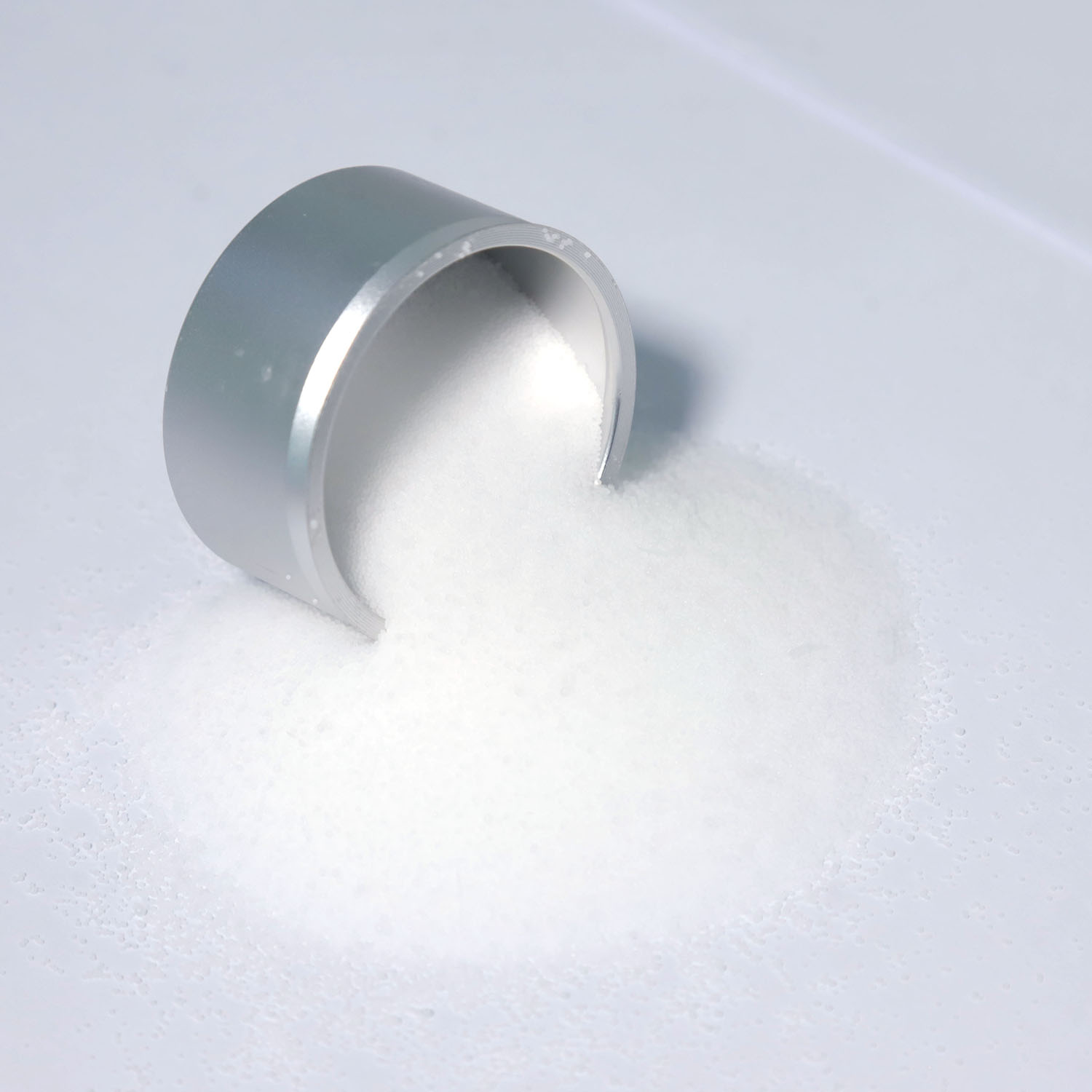
Modern printing operations run at blistering speeds. Substrates move through presses at hundreds of feet per minute. Inks must dry rapidly and withstand immediate mechanical stress. Without the right surface modifiers, high-speed production results in massive waste. You need additives that perform under extreme shear and rapid drying conditions.
Printed materials face immediate abuse. Post-print processing involves cutting, folding, stacking, and shipping. PE wax acts as a high-hardness anti-wear agent in the ink formulation. It forms a protective shield over the pigment particles. This prevents ink transfer, staining, and smearing during aggressive handling.
Different printing environments require different wax behaviors. In flexographic printing, inks are highly fluid and presses run up to 2000 feet per minute. The wax must migrate rapidly to the surface before the fast-drying solvents evaporate. Gravure printing involves deeper ink wells and different solvent balances. Here, the wax must maintain stability in the cylinder before transferring to the substrate.
Offset printing presents a unique challenge. The ink is highly viscous and cures through oxidation or UV exposure. The wax must not interfere with the delicate ink-water balance on the press. Selecting the right particle size ensures the wax migrates effectively without disrupting the lithographic process or causing piling on the blanket.
Pigments naturally want to clump together. This agglomeration ruins color consistency, clogs anilox rollers, and causes uneven print density. Wax serves as a highly effective dispersant. It coats individual pigment particles, preventing them from re-agglomerating in the liquid phase.
Optimized dispersion stabilizes the ink's rheology, preventing viscosity drift during long press runs.
Consistent viscosity means the ink transfers predictably from the anilox roller to the plate, and finally to the substrate.
Proper dispersion acts as a brightener. Evenly distributed pigment particles absorb and reflect light more efficiently.
You achieve deeper blacks and more vibrant colors with the exact same pigment loading, reducing overall formulation costs.
Blocking is a catastrophic failure in printing. It occurs when printed substrates stick together under pressure or heat. This happens frequently during high-speed stacking, when rolls are wound tightly, or during transit in hot climates. When the materials are separated, the ink tears away from the substrate, ruining the product.
The additive prevents this by controlling slip. The micro-rough wax surface reduces the contact area between adjacent sheets. It lowers the surface energy, preventing the resin from fusing with the backside of the next sheet. This anti-blocking property is mandatory for warm storage environments and heavy pallets. Formulators must target a specific coefficient of friction to ensure the packaging can slide through automated filling lines without jamming.
Industrial coatings face harsh environments. They protect heavy machinery, architectural structures, and high-end furniture. PE wax for inks and coatings elevates the performance of these protective layers. It provides mechanical defense and aesthetic control that raw resins simply cannot achieve alone.
Wood and metal finishes require robust physical barriers. A mar is a surface defect that alters gloss without penetrating deeply. A scratch cuts through the coating layer entirely, exposing the substrate. Wax mitigates both issues through a physical barrier effect.
The high hardness of the wax particles absorbs mechanical energy. When an object strikes the coated surface, the wax deflects the impact. It protects the softer, underlying resin matrix from deep gouges. In wood coatings, this preserves the natural appearance of the grain and prevents damage during furniture assembly and shipping. In metal coatings, particularly coil coatings that undergo severe bending and stamping, the wax provides the necessary slip to prevent the coating from fracturing under tooling pressure.
Not all coatings require a high-gloss finish. Many modern designs demand matte or satin appearances. Achieving this uniformly across a large surface area is difficult. Wax provides an optical mechanism for precise gloss control.
Specific micronized particle sizes protrude slightly from the cured film. These microscopic peaks scatter incoming light in multiple directions. This diffuse reflection reduces the perceived gloss. Unlike traditional silica matting agents, which can make a coating brittle or cause settling hard-packing in the can, wax achieves this uniform matte finish without compromising film integrity, flexibility, or shelf stability.
Exterior architectural and industrial coatings battle the elements daily. Rain, humidity, and UV radiation degrade resin systems over time. The hydrophobic nature of polyethylene significantly improves water repellency.
Water beads up and rolls off the wax-modified surface. This prevents moisture ingress, which causes blistering, peeling, or substrate corrosion. This environmental durability extends the lifespan of the coating, reducing maintenance costs and recoat frequency for the end-user. In marine and heavy-duty protective coatings, this barrier effect is critical for long-term asset protection.
Selecting the correct chemistry is the most critical formulation decision. You cannot use a universal wax for all systems. The polarity of your solvent and resin dictates your choice. We must evaluate the distinct differences between oxidized and non-oxidized variants to prevent batch failures.
Standard polyethylene wax is highly non-polar. It consists of straight or branched hydrocarbon chains. This chemical structure defines its compatibility and best use cases. It performs exceptionally well in non-polar solvent-based systems. It is a staple in hot melt adhesives and general plastics manufacturing.
In these applications, it acts as a powerful rheology modifier. It enhances flow behavior, allowing adhesives to wet out substrates rapidly. It also offers significant cross-industry utility. In cable insulation and plastics, it functions as an internal and external lubricant. It improves filler dispersion and increases extrusion rates, boosting manufacturing efficiency.
However, it has severe limitations for modern coatings. Standard non-oxidized wax exhibits poor dispersibility in polar solvents. It lacks stability in water-based formulations. If used incorrectly in a polar system, it will separate, float to the surface, and ruin the batch.
To solve compatibility issues, manufacturers modify the wax. They subject it to a controlled oxidation process. This chemical distinction changes everything. Oxidation introduces carboxyl and hydroxyl groups to the polymer chain.
These polar functional groups transform the wax's behavior. Oxidized wax for printing inks and coatings offers vastly enhanced emulsification. It can be easily dispersed in water-based systems using standard surfactants. It provides better substrate wetting, reducing surface tension effectively.
Most importantly, it demonstrates improved compatibility with polar resins. It integrates seamlessly with polyurethanes, acrylics, and epoxies. This allows formulators to achieve high-performance scratch resistance in environmentally friendly, low-VOC waterborne coatings. You can formulate high-durability floor finishes and water-based flexo inks without worrying about the wax dropping out of solution.
Oxidation processes often introduce a yellow or brownish tint to the wax. In dark industrial coatings, this does not matter. In clear coats, varnishes, and white formulations, it is a catastrophic defect. Wax-induced yellowing ruins the aesthetic value of the product.
Formulators must specify a low color index oxidized wax for coatings for these sensitive applications. You must evaluate this based on strict criteria. The Gardner color scale provides a standardized measurement. You need a wax that scores as close to zero as possible.
Thermal stability during processing is also critical. Some waxes look clear at room temperature but yellow rapidly when exposed to milling heat or UV curing lamps. You must review purity metrics and conduct thermal stress tests to ensure the wax remains transparent throughout the manufacturing and curing lifecycle.
Property | Standard Non-Oxidized PE Wax | Oxidized PE Wax |
|---|---|---|
Chemical Structure | Non-polar hydrocarbon chains | Polar (contains carboxyl/hydroxyl groups) |
System Compatibility | Non-polar solvents, hot melts, plastics | Water-based, polar solvents, acrylics, epoxies |
Emulsification | Very poor to impossible | Excellent with standard surfactants |
Primary Coating Use | Solvent-based industrial finishes | Waterborne inks, clear coats, polyurethanes |
Risk of Yellowing | Low | Moderate to High (Requires Low Color Index grades) |
No additive is perfect. Every formulation involves compromise. Adding wax solves surface problems but introduces new variables. You must anticipate these implementation risks and adjust your formulation strategy accordingly to prevent field failures.
This is the most common inherent trade-off. Higher wax loading directly increases scratch and mar resistance. More wax means a thicker, tougher micro-rough surface layer. However, this same micro-roughness scatters light.
Consequently, high wax dosages inadvertently reduce high-gloss finishes. If you need a mirror-like clear coat, too much wax will cause a hazy or satin appearance. You must implement mitigation strategies. Precise particle size selection is vital. Smaller, tightly controlled particle distributions (under 5 microns) minimize light scattering. Strict dosage control—often keeping additions below 1.5%—maintains gloss while providing adequate slip.
Wax must remain stable in the liquid phase until application. If the system is unstable, you face the risk of wax "seeding." This occurs when wax precipitates out of solution prematurely during manufacturing or storage. It forms visible, gritty particles in the liquid that ruin the finish.
Seeding is usually caused by an incorrect solvent balance. If the solvent blend evaporates too quickly during milling, the wax drops out. Incorrect pH levels in water-based systems can break the wax emulsion instantly. Furthermore, if the temperature profile during manufacturing exceeds the wax's melting point and cools too slowly, massive crystallization occurs. You must control shear rates and temperatures strictly during the dispersion phase.
More slip is not always better. Excessive surface wax lowers the surface energy of the cured film drastically. The surface becomes too slick. This causes severe wetting and adhesion failures for any subsequent layers.
If a customer tries to apply a second coat of paint, the new layer will crawl or bead up. Adhesives will fail to grip the surface of printed packaging. Overprint varnishes will not adhere to heavily waxed inks. You must balance the slip requirement with the need for recoatability. Testing intercoat adhesion using cross-hatch tape tests (ASTM D3359) is mandatory when formulating with high wax loads.
Request technical data sheets (TDS) and safety data sheets (SDS) from suppliers to verify chemical compatibility and regulatory compliance before initiating lab trials.
Procure sample dispersions of both oxidized and non-oxidized grades to conduct lab-scale compatibility and drawdown testing on your specific substrates.
Execute accelerated weathering and Taber abrasion tests on cured films to validate performance claims under simulated field conditions.
Adjust particle size and dosage incrementally during pilot runs to finalize the optimal gloss-to-protection ratio for your product line.
A: The optimal particle size typically ranges between 3 to 15 microns. Finer particles (3-5 microns) are preferred for high-gloss inks and thin films like flexographic printing. Larger particles provide better matting and heavier abrasion resistance but may disrupt the gloss and clarity of the final print.
A: Oxidized PE wax contains polar functional groups, such as carboxyl and hydroxyl groups. These groups allow the wax to be easily emulsified in water using surfactants. Standard PE wax is non-polar, making it highly incompatible and prone to separation or seeding in water-based systems.
A: The oxidation process can naturally introduce a yellow or brownish tint to the wax. In clear coatings, varnishes, or white paints, this tint causes visible discoloration and ruins the aesthetic. Low color index waxes are specially processed to remain transparent and thermally stable.
A: You must strictly control the dosage, usually keeping it below 1% to 1.5% of the total formulation. Additionally, select a wax with a very fine, narrow particle size distribution. This minimizes the micro-roughness on the surface, reducing light scattering and preserving the mirror-like finish.
A: Typical dosage rates range from 0.5% to 3.0% based on total formulation weight. Additions around 0.5% to 1.5% are used for slip and anti-blocking while maintaining gloss. Higher dosages (up to 3%) are used when heavy scratch resistance or specific matting effects are required.
A: If formulated correctly, it should not significantly affect curing time. However, excessive wax loading or using a wax with poor UV transparency can block UV light from reaching the photoinitiators. This results in incomplete surface curing. Always test curing speeds when adjusting wax dosages.


