
- All
- Product Name
- Product Keyword
- Product Model
- Product Summary
- Product Description
- Multi Field Search
Views: 166 Author: Site Editor Publish Time: 2026-09-01 Origin: Site


For centuries, the surface protection industry relied entirely on the traditional prestige of natural botanical extracts. Today, engineers increasingly favor the engineered reliability of synthetic polymers. They use them widely in surface protection and complex industrial formulations. Formulators and professional end-users constantly face a challenging tradeoff. They must choose between the aesthetic depth of a warm, traditional glow and functional durability. Functional durability includes crucial heat, UV, and chemical resistance. Relying on outdated natural ingredients often leads to product failure in extreme environments. We establish an objective, formulation-first comparison here. You will discover exactly how to evaluate these distinct materials. We help buyers and manufacturers determine the ideal match for their performance criteria. You can easily align your choice to meet scalability needs and exact end-user expectations.
Durability vs. Aesthetics: Polyethylene (PE) wax delivers superior longevity, chemical resistance, and high-temperature stability; Carnauba excels in producing a deep, natural, high-gloss finish.
Thermal Stability: PE wax boasts a higher melting point, preventing degradation in extreme environmental heat or high-friction industrial processes.
Industrial Scalability: High purity polyethylene wax provides batch-to-batch consistency that naturally harvested Carnauba cannot match, making it critical for large-scale manufacturing.
Application Synergy: While Carnauba remains a niche favorite for high-end automotive care, PE wax dominates functional applications like heavy-duty sealants, hot melt adhesives, and industrial inks.
Understanding the core chemical profiles helps you make better formulation decisions. Natural and synthetic polymers behave very differently under stress.
Workers harvest this natural polymer directly from the leaves of the Copernicia prunifera palm tree. This tree grows exclusively in specific regions of Brazil. The chemical composition contains fatty acid esters, fatty alcohols, and various hydrocarbons. It is naturally very hard but extremely brittle in its raw form. Formulators must blend it carefully using specific oils or solvents to achieve basic workability. Because it relies heavily on agricultural harvesting cycles, you face significant supply chain volatility. Natural batch variations occur frequently due to changing climate conditions and soil quality.
This material is a low-molecular-weight derivative of standard polyethylene. It features a highly crystalline structural foundation. This unique structure yields excellent physical hardness and exceptional chemical inertness. Using high purity polyethylene wax offers strictly controlled molecular weights. You get predictable viscosity and highly consistent melting points. This process completely removes unwanted organic impurities. Evidence consistently shows synthetic options eliminate the unpredictable agricultural supply risks associated with palm harvesting. You achieve absolute predictability in every production run.
The debate between natural and synthetic surface protection often dominates industry discussions. We evaluate their actual performance metrics objectively below.
Carnauba creates a highly prized, "wet," and warm dimensional gloss. It fills microscopic clear-coat imperfections effectively. Luxury auto care enthusiasts love this specific finish. Conversely, synthetic variants produce a sharp, highly reflective, "glass-like" shine. They lack the dimensional warmth of botanical extracts. However, they resist optical degradation much longer under direct sunlight.
Enthusiasts constantly debate traditional hand-waxing versus modern synthetic sealants. Let us bust a common myth right now. Botanical waxes degrade rapidly above 140°F (60°C). Standard alkaline car wash detergents easily strip them away. Synthetic alternatives easily resist melting at high summer temperatures. Dark vehicles often cause natural coatings to fail quickly. Synthetics easily withstand harsh chemical decontamination washes without losing structural integrity.
Synthetic polymers significantly reduce the surface coefficient of friction. They offer superior slip properties across diverse applications. You gain much better scratch and mar resistance compared to natural alternatives. Formulators rely on this mechanical toughness to protect soft clear coats and industrial paints alike.
Wax Performance Comparison Chart
Feature | Carnauba Wax | Polyethylene Wax |
|---|---|---|
Aesthetic Finish | Deep, warm, "wet" dimensional gloss | Sharp, reflective, glass-like shine |
Thermal Limit | Degrades rapidly above 140°F (60°C) | Highly stable in extreme summer heat |
Chemical Resistance | Poor (Removed by alkaline detergents) | Excellent (Resists harsh decontamination washes) |
Scratch Resistance | Moderate physical protection | Superior slip and advanced mar resistance |
Different industries leverage these distinct chemical profiles to solve specific manufacturing challenges. Application context dictates the ideal material choice.
Natural botanical extracts fit perfectly for high-end show cars and vintage single-stage paints. Boutique detailing formulations target luxury buyers who prioritize short-term aesthetics. On the other hand, synthetics act as the core base component in long-lasting commercial paint sealants. They power modern ceramic-infused hybrid sprays. Fleet-maintenance teams rely on them for heavy-duty protective coatings.
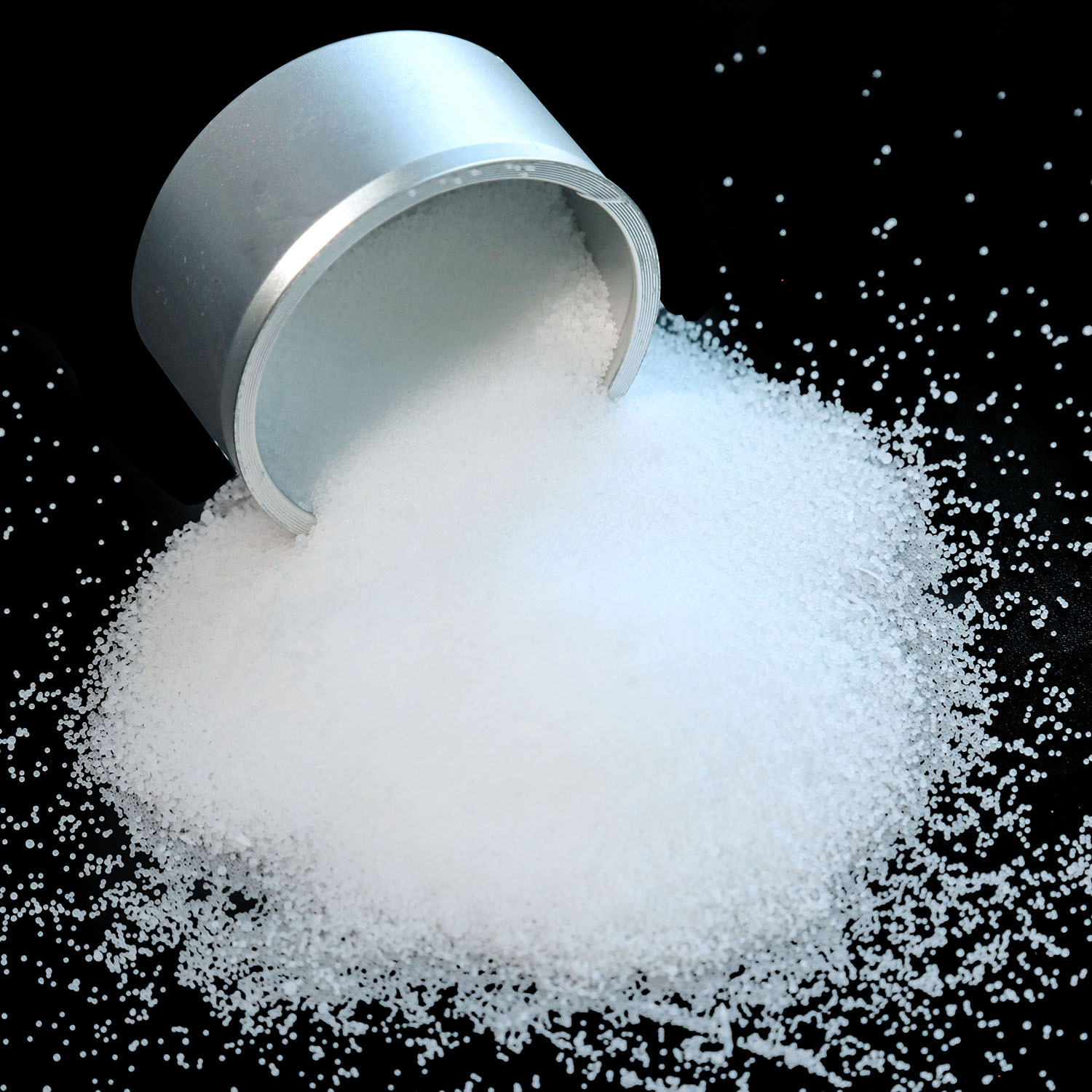
Incorporating polyethylene wax for coatings and inks introduces a vital slip agent. It aggressively prevents unwanted blocking during manufacturing. You see vastly improved rub resistance in commercial printing inks. It enhances the desired matting effect in wood or metal coatings. Manufacturers rarely use natural alternatives here due to high costs and extreme thermal instability.
Formulators heavily rely on polyethylene wax for hot melt adhesives (HMA). They use it to adjust viscosity parameters. It controls the open and set time precisely. It dramatically improves high-temperature stability in demanding packaging adhesives. The organic compounds in natural botanical extracts degrade under sustained melting temperatures inside industrial adhesive tanks.
Transitioning from theoretical chemistry to factory-floor reality exposes several important challenges. You must understand how these materials interact physically in large mixing vessels.
Botanical extracts present distinct formulation risks. They are notoriously difficult to emulsify evenly. They remain highly prone to separation if you miscalculate solvent ratios even slightly. High raw material costs severely limit your profit margins. Synthetic formulations offer massive compatibility advantages. They are highly compatible with other synthetic resins and standard hydrocarbon solvents. You can easily emulsify them for modern water-based formulations.
T1 pure Yellow grade natural extract carries a premium, fluctuating commodity price. Polyethylene wax offers a highly stable, lower cost-per-unit. This predictable pricing model allows you to scale aggressively in commercial product lines. You avoid sudden margin erosion caused by bad weather in agricultural supply chains.
Many mid-market products blend a small percentage of botanical extract into a synthetic base. They do this simply to claim a natural ingredient on the retail label. However, they rely entirely on the synthetic polymers for the actual structural durability. This hybrid strategy balances consumer perception alongside required performance metrics.
Common formulation steps for hybrid blends include:
Melting the synthetic polymer base to establish the primary structural matrix.
Introducing compatible hydrocarbon solvents to adjust the desired viscosity parameters.
Adding small percentages of natural extract strictly for marketing and initial gloss enhancement.
Cooling the mixed emulsion under controlled agitation to prevent phase separation.
Selecting the correct raw material requires evaluating your target audience and performance benchmarks. Review the guidelines below to match your operational goals.
Your product specifically targets the luxury, enthusiast, or classic car detailing market.
"Natural/Organic" acts as a core marketing pillar for your brand identity.
A short-term, maximum-depth aesthetic finish remains your sole success metric.
You are actively formulating industrial surface coatings, printing inks, or hot melt adhesives.
You require strict batch-to-batch consistency for large-scale manufacturing runs.
Your surface protection product promises extended longevity lasting three to six months or more.
You need advanced UV resistance and uncompromising high-heat endurance.
The choice between natural and synthetic polymers is not about finding a universally better option. It is about solving your specific business or formulation problem effectively. Botanical extracts definitely retain their crown in boutique automotive aesthetics. Synthetic polymers represent the undeniable standard for heavy-duty applications. They offer scalable durability, structural integrity, and extensive multi-industry application. Direct your formulation teams to review technical data sheets carefully. Match specific molecular weights based on your desired melt points and viscosity needs before starting any production run.
A: Yes, they are frequently combined in commercial surface protectants to balance synthetic durability with natural gloss.
A: It provides superior rub resistance, controlled slip properties, and will not degrade under the friction/heat generated during high-speed printing or industrial coating processes.
A: No. It is chemically inert and non-abrasive, acting strictly as a sacrificial protective barrier.
A: High purity ensures there are no low-molecular-weight volatiles that could cause smoking or adhesion failure, guaranteeing precise control over the adhesive's setting time.


