
- All
- Product Name
- Product Keyword
- Product Model
- Product Summary
- Product Description
- Multi Field Search
Views: 137 Author: Site Editor Publish Time: 2026-09-14 Origin: Site


Formulators and procurement managers are rapidly shifting their material sourcing strategies today. They are increasingly moving away from volatile natural waxes. Unpredictable petroleum by-products simply cannot meet modern, high-speed manufacturing demands. Inconsistent raw materials often lead to costly production delays. They also cause compromised end-product quality. Finding a stable, highly engineered alternative is essential. It allows you to scale operations securely.
Synthetic waxes synthesized via carbon monoxide and hydrogen offer highly controlled molecular structures. They directly solve these supply and performance issues. This guide breaks down exact use cases, technical evaluation criteria, and critical procurement considerations. We will explore how these synthetic materials function across various industries. You will learn exactly how to integrate this material into your existing production lines seamlessly.
Core Utility: Acts as a high-performance additive, lubricant, and structural modifier in hot melt adhesives (HMAs), PVC processing, and specialized coatings.
Performance Drivers: Unmatched linearity and narrow molecular weight distribution allow for precise control over melting points and viscosity.
Compliance & Purity: Fully synthetic origins mean zero sulfur or heavy metal contamination, easing environmental (EPA) and toxicological compliance.
Sourcing Reality: Transitioning requires careful thermal profiling; it is rarely a strict 1:1 "drop-in" replacement for standard paraffin or carnauba without minor formulation adjustments.
Manufacturing teams constantly battle material inconsistencies. Natural waxes depend heavily on crop yields and weather conditions. These agricultural factors create unpredictable pricing spikes. Supply chain stability becomes nearly impossible to guarantee. You cannot easily forecast your quarterly material budgets. Synthetic alternatives offer a stark contrast. Chemical facilities produce them in highly controlled environments. This scalable production ensures consistent availability. Your supply chain remains robust and predictable.
Legacy materials also introduce severe performance bottlenecks. Standard waxes often contain residual impurities. These contaminants trigger common manufacturing failures. For instance, impure waxes cause adhesive stringing during application. They lead to PVC thermal degradation during high-heat extrusion. You might also notice yellowing in clear coatings over time. These defects slow down production speeds. They increase your defect rates and customer complaints.
Transitioning to fischer tropsch wax requires defining clear success criteria upfront. You must determine what a successful integration looks like for your specific line.
Maintaining exact target congealing points for structural stability.
Reducing overall application temperatures to save thermal energy.
Improving the final structural integrity of the end-product.
Eliminating surface migration or blooming in finished plastics.
By framing the problem accurately, you set measurable goals. You can easily benchmark the synthetic wax against your previous legacy materials. This data-driven approach removes guesswork from the formulation process.
Synthetic waxes serve as crucial engineering components across multiple sectors. They modify viscosity, enhance lubrication, and improve surface protection. We see four primary industries leveraging these materials today.
Hot Melt Adhesives (HMAs): Packaging adhesives demand rapid setting times. High-speed carton sealing lines cannot wait for slow adhesives. Integrating low viscosity fischer tropsch wax improves the flow rate significantly. It reduces the setting time without compromising the ultimate bond strength. You achieve faster throughput on automated packaging lines.
PVC Processing & Extrusion: Rigid PVC requires robust external lubrication. The polymer melt must pass smoothly through the extruder die. FT wax acts as a highly efficient external lubricant here. It prevents the polymer melt from adhering to the hot metal machinery. You avoid thermal degradation and maintain high gloss on the PVC pipes or profiles.
Inks, Paints, and Coatings: Surface protection is critical for premium coatings. Formulators use synthetic waxes as rub-resistance additives. They also function as slip-control agents in printing inks. They prevent scratching and scuffing during transit. The narrow molecular distribution ensures consistent particle sizing when micronized.
Cosmetics & Personal Care: Purity matters most in skin-contact applications. refined fischer tropsch wax acts as a structural base here. It is widely used for synthetic petroleum (petrolatum) formulations. It provides rigidity to cosmetic sticks like lip balms. Its non-comedogenic profile prevents pore blockage. The high-purity nature ensures a clean, white appearance in the final cosmetic product.
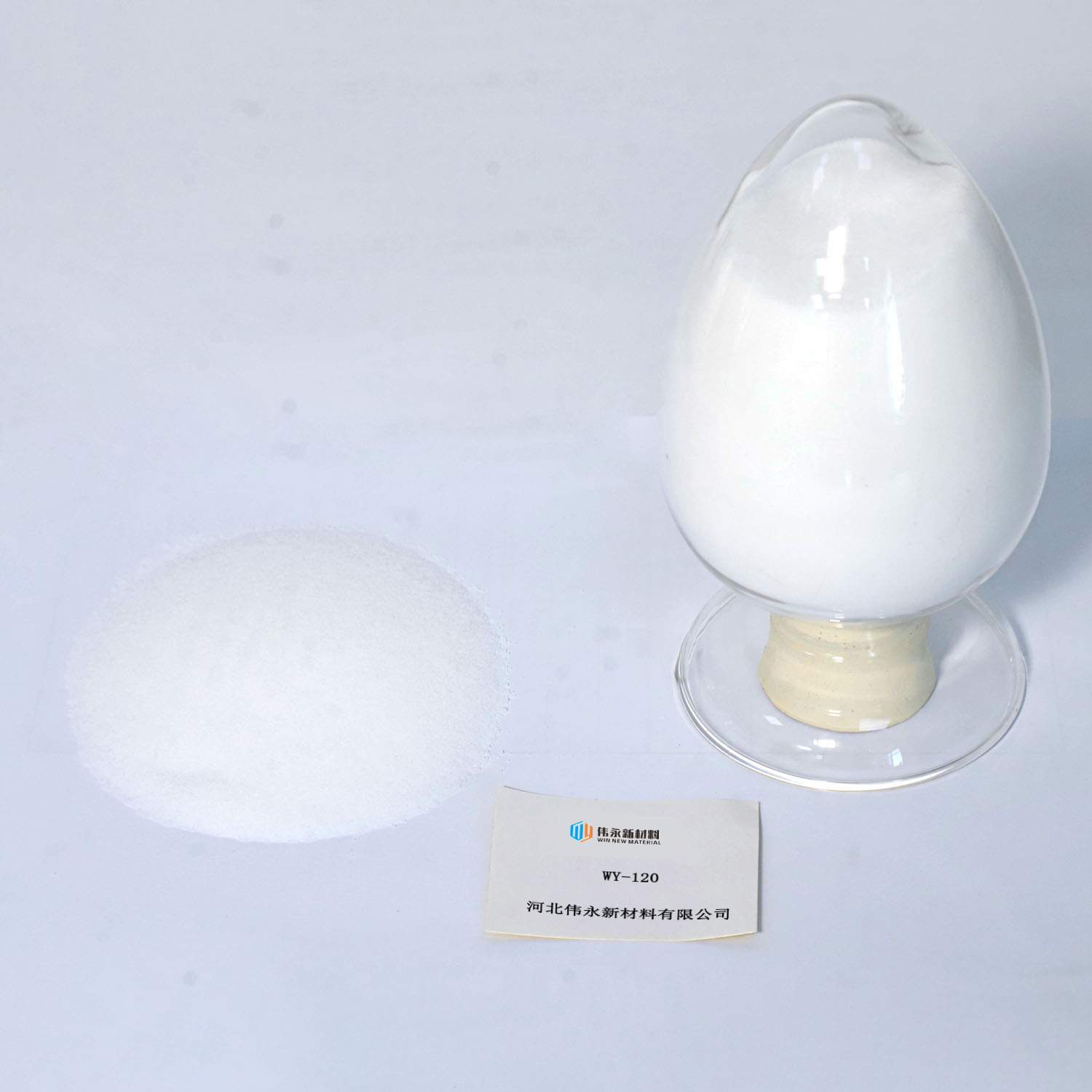
Selecting the correct grade dictates the success of your formulation. You must align the physical properties to your desired manufacturing outcome. Different chain lengths and molecular weights yield distinct physical behaviors.
Let us examine the primary categories you will evaluate.
Certain industries require extreme thermal resistance. Automotive coatings and heavy-duty construction materials face harsh environments. You need a wax capable of withstanding these elevated temperatures. high melting point fischer tropsch wax delivers this necessary thermal stability. It will not soften or migrate under summer heat.
However, you must manage specific trade-offs. Increased hardness inherently reduces flexibility. The final product might become brittle if formulated incorrectly. You often require specific blending agents or plasticizers. They help balance the rigidity and maintain impact resistance.
Viscosity control drives production efficiency. Fast-setting adhesives rely entirely on rapid flow characteristics. High-speed automated packaging lines need low viscosity to apply thin adhesive beads. These variants flow effortlessly at application temperatures. They wet out the substrate quickly.
The trade-off involves open-time management. Lower viscosity usually accelerates the setting speed. It may negatively impact the open-time of the adhesive. You must properly balance the wax ratio against your chosen tackifying resin. Poor balancing leads to premature adhesive failure before the substrates mate.
Molecular structure defines physical performance. Synthetic waxes possess a highly linear, saturated hydrocarbon chain. They lack the branching found in standard microcrystalline waxes. This extreme linearity allows the molecules to pack tightly together. High crystallinity drastically increases the hardness of the material. You will observe a much lower penetration index compared to petroleum alternatives. This tight molecular packing also provides excellent moisture barrier properties.
Performance Specification Chart
Wax Type | Typical Melting Range (°C) | Penetration Index (Hardness) | Primary Application Strength |
|---|---|---|---|
Standard Paraffin | 50 - 70 | High (Softer) | Candles, basic packaging |
Microcrystalline | 60 - 90 | Medium (Flexible) | Laminating, flexible coatings |
FT Wax (Low Viscosity) | 80 - 100 | Low (Hard) | High-speed HMAs, Inks |
FT Wax (High Melt Point) | 105 - 115+ | Very Low (Very Hard) | PVC extrusion, automotive |
Regulatory compliance demands strict attention during formulation design. You must navigate complex environmental and toxicity assessments globally. Regulatory lenses like the EPA and REACH scrutinize raw material purity. Synthetic waxes excel in these demanding environments.
Their gas-to-liquid production process ensures a pristine chemical profile. They completely lack aromatic hydrocarbons. You will find zero sulfur compounds within the molecular structure. This exceptional purity directly benefits your environmental compliance efforts. It simplifies the reporting processes for your environmental health and safety teams. They do not have to account for volatile hazardous air pollutants.
Food and contact safety represent another critical threshold. Packaging adhesives often touch consumable goods indirectly. Formulators must meet strict FDA compliance for food packaging applications. Achieving this requires utilizing highly refined grades. These grades undergo extensive purification to remove any residual catalyst materials.
We see a strong evidence-oriented claim in the industry. FT wax is generally recognized as highly stable and inert. It does not react easily with other chemical agents. However, broad claims never replace strict verification. Compliance always requires verifying the specific Technical Data Sheet (TDS). You must also review the manufacturing certificates of the specific supplier batch. Never assume universal compliance across different manufacturers.
Best Practice: Always request an updated Safety Data Sheet (SDS) annually. Regulations shift, and maintaining current documentation protects your compliance status.
Transitioning materials introduces inherent operational risks. You must approach the integration systematically to avoid production downtime. Many formulation engineers fall victim to a common misconception.
We call it the "Drop-In" myth. You cannot simply replace paraffin or natural wax blindly. Warn your production teams against swapping materials without running pilot batches. Synthetic wax possesses a very sharp melting curve. It transitions from solid to liquid rapidly. Natural waxes exhibit broad, gradual melting ranges. This behavioral difference drastically alters how the material behaves inside the melting tank.
Blending challenges represent another significant hurdle. Phase separation issues can occur during the compounding stage. You might experience incompatibility when mixing synthetic wax alongside certain polymers. Certain polar tackifiers may also resist homogenous blending. You must conduct compatibility tests in the lab first. Observe the blend at sustained high temperatures for several days. Watch for any signs of cloudiness or material separation.
Common Mistake: Ignoring machinery recalibration. Many operators leave extruder settings unchanged when switching waxes.
Machinery adjustments are absolutely mandatory. Utilizing high melting point variants alters the thermal dynamics of your line. You may require recalibrating processing temperatures across different extruder zones. Line speeds often need adjustment as well. If you maintain old cooling rates, the new wax may congeal prematurely. Premature congealing causes severe equipment blockages and costly downtime.
Securing a reliable chemical supplier requires strict vetting procedures. You need a partner capable of scaling alongside your production needs. Vendor evaluation should focus on data rather than marketing promises.
Batch-to-batch consistency stands as the primary metric for supplier quality. You cannot adjust your formulation for every new pallet received. Request historical Certificate of Analysis (CoA) data. Ask the supplier to provide data across multiple consecutive lots. Analyze the variance in congealing points and viscosity. Tight standard deviations indicate excellent process control at their chemical plant.
Customization capabilities also separate premium suppliers from basic distributors. Can the supplier tightly control the fractional cut? They must isolate the exact molecular weight distribution you need. This precision helps you hit your exact viscosity requirements. It ensures your melting point targets are met consistently.
Demand full documentation transparency before signing any contracts. You need immediate access to the TDS and MSDS/SDS. You should also require applicable regulatory compliance certificates. Examples include RoHS compliance, FDA food contact letters, or cosmetics INCI registrations. If a supplier hesitates to provide these, look elsewhere.
Recommend initiating a pilot testing phase as your next step. Request a 1kg to 5kg sample for your laboratory. Ensure this sample arrives accompanied by its batch-specific CoA. This allows you to verify their lab results against your own internal testing.
Transitioning to highly engineered synthetic materials upgrades your manufacturing capabilities. They offer distinct advantages over natural and petroleum-based alternatives.
Fischer Tropsch wax functions as an engineered structural component, not merely a cheap filler.
Its unmatched linearity provides precise control over viscosity and melting behaviors.
The pristine chemical profile drastically simplifies global regulatory and environmental compliance.
Thorough pilot testing and machine recalibration are necessary steps for a successful transition.
Now is the time to optimize your formulations. Contact our technical support team to discuss your specific requirements. We will help you match your required specs, including viscosity, melting point, and purity. We can easily identify the appropriate FT wax grade for your line. Request a sample today to begin your laboratory evaluation and pilot testing phase.
A: They differ primarily in their manufacturing origins and molecular structures. Paraffin wax is a by-product of petroleum refining. It contains branched chains and a broader molecular distribution. Fischer Tropsch wax is fully synthetic. It is created via a gas-to-liquid process using carbon monoxide and hydrogen. This synthetic process results in a highly linear structure. It offers a much narrower molecular distribution, providing superior hardness and higher melting points.
A: Yes, it successfully replaces carnauba in many industrial applications. You will see this primarily in specialized polishing and coating formulations. However, it rarely acts as a direct, unadjusted substitute. You may require specific compounding and blending. Modifying the formulation helps match carnauba's exact surface gloss and unique hardness profile perfectly.
A: No, it is exceptionally stable. It boasts incredibly high oxidative stability due to its fully saturated chemical structure. It lacks the reactive double bonds found in natural materials. When stored correctly in cool, dry conditions away from direct sunlight, it offers a remarkably long shelf life. It will not easily degrade, yellow, or turn rancid over time.


