
- All
- Product Name
- Product Keyword
- Product Model
- Product Summary
- Product Description
- Multi Field Search
Views: 157 Author: Site Editor Publish Time: 2026-07-27 Origin: Site


Chemical and cosmetic manufacturing sectors face intense regulatory and consumer pressure to transition toward sustainable ingredients without sacrificing formulation stability or performance. Formulators frequently encounter a critical trade-off during this shift. Plant-based alternatives often suffer from rapid oxidation, variable viscosity, and shorter shelf lives. Meanwhile, traditional heavy mineral oils face strict scrutiny regarding their environmental persistence and toxicity profiles. Finding a functional balance remains a daily challenge on the production floor.
The C14-C17 fraction of liquid paraffin has emerged as a highly refined, medium-chain alternative that solves many of these formulation roadblocks. This guide evaluates the technical specifications, environmental compliance, and formulation realities of using the C14-C17 fraction. We will explore how it bridges the gap between strict ecological mandates and industrial-grade performance requirements, providing a stable base for modern manufacturing.
Targeted Carbon Chain Benefits: The C14-C17 fraction offers a highly specific low viscosity liquid paraffin profile, delivering lightweight textures and high spreadability ideal for cosmetics, precision industrial lubricants, and textile applications.
Enhanced Environmental Profile: Advancements in refining and alternative feedstock sourcing (such as hydrodeoxygenation of non-edible vegetable and animal waste oils) are producing biodegradable liquid paraffin options that meet strict ecological compliance standards.
Absolute Chemical Inertness: Like standard grades, C14-C17 remains non-reactive, moisture-resistant, and stable across diverse pH ranges, serving as an exceptional extender and formulation base.
Procurement Viability: Transitioning to eco-friendly liquid paraffin C14-C17 requires rigorous supplier vetting for NF/USP grade certification, purity consistency, and verifiable SDS (Safety Data Sheet) environmental claims.
To select the right base fluid, formulators must understand exact physical properties. Carbon chain length dictates these properties directly. They impact the final product's rheology, stability, and sensory characteristics on a fundamental level. You cannot formulate effectively without knowing the exact carbon distribution of your base oil.
The C14 to C17 designation refers to the specific number of carbon atoms in the hydrocarbon chain. This range falls squarely within the medium-chain classification of alkanes. Through advanced fractional distillation, manufacturers isolate these specific molecules from broader hydrocarbon mixtures. This isolation ensures a uniform molecular weight distribution, which translates to predictable behavior in the mixing tank.
Medium-chain paraffins differ significantly from heavy-chain alternatives. Heavy mineral oils contain carbon numbers exceeding C20. They exhibit higher molecular weights, greater density, and lower volatility. The C14-C17 fraction maintains a lower density. It provides a lighter molecular structure while retaining the core stability of saturated alkanes. This makes it easier to pump, mix, and emulsify.
The physical behavior of low viscosity liquid paraffin makes it highly versatile across multiple industries. It features excellent flow characteristics at room temperature. The specific gravity typically ranges between 0.760 and 0.780. The pour point remains exceptionally low, ensuring fluidity in cold-weather applications and preventing line blockages during winter production runs.
Visual and olfactory specifications are strict for refined grades. High-quality fractions appear completely colorless and clear. Managing residual petroleum odor is a non-negotiable requirement for consumer products. Highly refined cosmetic and pharmaceutical grades undergo severe hydrotreating to eliminate all odors. Industrial grades may tolerate slight odors, but premium fractions remain completely odorless.
These physical properties directly impact formulation texture. The low viscosity translates to a lightweight, non-greasy feel. In topical applications, it enables rapid spreadability. Consumers experience a smooth application without heavy residue. Industrial lubricants benefit from excellent surface wetting and penetration capabilities, allowing the fluid to reach tight mechanical clearances.
Assessing how a traditionally petrochemical-derived substance achieves environmental compliance requires technical scrutiny. Advanced processing and alternative sourcing methods are changing the industry landscape. We must look past marketing claims and examine the actual chemical data.
Chemical purity defines the toxicity profile of the C14-C17 fraction. Advanced refining ensures the complete removal of polycyclic aromatic hydrocarbons (PAHs). Heavy metal limits are strictly controlled to parts-per-million thresholds. This severe refinement results in an exceptionally low toxicity profile, making it safe for direct human contact and sensitive applications.
Classifying a product as a biodegradable liquid paraffin requires standardized testing. The OECD 301 testing series measures ready and ultimate biodegradability. C14-C17 fractions, especially those synthesized from renewable feedstocks, often meet the criteria for ready biodegradability. They break down rapidly in aquatic and soil environments, minimizing ecological accumulation and meeting strict discharge regulations.
Hydrodeoxygenation technology represents a major shift in base oil sourcing. This process converts non-edible animal fats and vegetable waste oils into pure medium-chain alkanes. The resulting chemical structure is identical to petrochemical-derived paraffins but originates from renewable waste streams. This is a massive advantage for formulators looking to improve their sustainability metrics.
These alternative synthesis methods create a true environmental protection liquid paraffin. By utilizing waste feedstocks, manufacturers significantly reduce the carbon footprint of the final product. This closed-loop approach supports circular economy initiatives while delivering uncompromising chemical purity and performance.
Global regulatory compliance dictates formulation choices. C14-C17 fractions must navigate REACH compliance in Europe and EPA guidelines in the United States. Cosmetic safety directives, including Cosmetic Ingredient Review (CIR) assessments, confirm the safety of these highly refined alkanes for personal care use. You cannot scale a product globally without these clearances.
Deconstructing Safety Data Sheet (SDS) hazard classifications is essential for compliance. Formulators must ensure proper labeling for global markets. A compliant SDS will detail aquatic toxicity data, flash points, and handling procedures. Verifying National Formulary (NF) and United States Pharmacopeia (USP) grades provides further assurance. These pharmacopeial standards validate the purity required to support eco-friendly and safe-use claims.
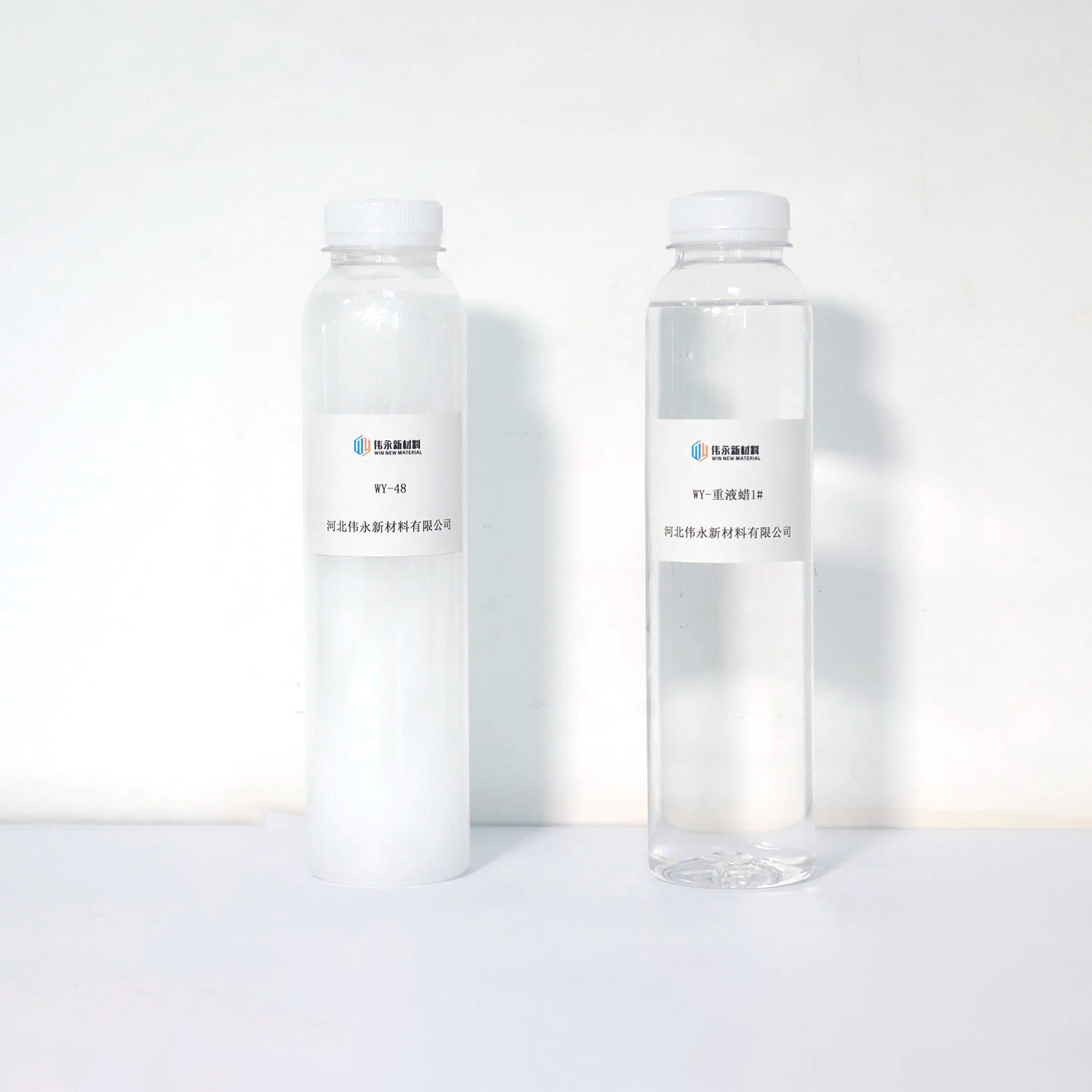
Mapping the inherent chemical traits of C14-C17 to specific, measurable benefits helps formulators optimize end-use applications. We need to translate chemical structure into tangible product performance.
The non-reactive nature of saturated alkanes is their greatest asset on the bench. C14-C17 fractions show excellent compatibility with active pharmaceutical ingredients (APIs). They do not react with volatile botanical extracts or aggressive surfactants. This inertness prevents formulation degradation over time, ensuring your product remains stable from the factory to the consumer's shelf.
Moisture resistance and barrier formation are critical functions. The oil acts as an effective occlusive agent. In skincare, it prevents transepidermal water loss (TEWL). In industrial settings, it forms a microscopic barrier against oxidation and corrosion on metal surfaces, protecting expensive machinery.
It also functions as a highly effective formula extender. It acts as a stable, cost-effective diluent. It preserves the efficacy of active compounds without altering the intended chemical reactions of the primary ingredients. This allows you to optimize formulation costs without sacrificing quality.
In cosmetics, the C14-C17 fraction functions as a premium emollient. It provides softening, smoothing, and lubricating properties. Because of its specific chain length, it operates without comedogenic risks. It leaves no heavy, tacky residue on the skin, which is a common complaint with heavier mineral oils.
It possesses strong solubilizing capabilities. Formulators use it to dissolve UV filters in sunscreens. It effectively carries lipophilic active ingredients in daily moisturizers, ensuring even distribution and optimal absorption across the skin barrier.
Beyond cosmetics, the utility of this fraction spans multiple demanding industries where performance and safety intersect.
Food-grade packaging production utilizes it for mold release and machinery lubrication, meeting strict NSF H1 requirements for incidental food contact.
Medical ointments rely on its high purity and low toxicity as a non-irritating base for sensitive skin applications.
Precision industrial fluids use it where thermal stability and low viscosity are non-negotiable for high-speed machining.
Textile and knitting industries utilize low-viscosity, biodegradable fractions as high-performance knitting oils. These oils are easily washable (scourable), reducing environmental impact and water usage during fabric processing and finishing.
Determining the most cost-effective and technically sound choice requires a comparative analysis of available base fluids. You have to weigh performance against procurement realities.
Traditional heavy mineral oils offer high viscosity but suffer from poor sensory profiles. C14-C17 fractions provide superior weight, skin-feel, and spreadability. Furthermore, the medium-chain fraction demonstrates lower environmental persistence, making it a better choice for modern formulations.
Cost differentials exist between standard heavy mineral oil and highly refined C14-C17 fractions. The advanced distillation and purification processes increase the upfront material cost of C14-C17. However, the enhanced performance, lower usage rates, and regulatory compliance often offset this initial premium.
Base Fluid Comparison for Formulations | |||
Property | C14-C17 Liquid Paraffin | Heavy Mineral Oil | Plant-Based Esters |
|---|---|---|---|
Viscosity & Spreadability | Low viscosity, rapid spread | High viscosity, slow spread | Variable, generally good |
Oxidation Stability | Excellent (Inert) | Excellent (Inert) | Poor to Moderate |
Sensory Profile | Lightweight, non-greasy | Heavy, occlusive residue | Lightweight, absorbs quickly |
Environmental Persistence | Low (Readily Biodegradable options) | High | Low |
When evaluating oxidation stability, alkanes outperform plant derivatives. Liquid paraffin outlasts plant-derived oils in extended shelf-life requirements. Plant oils contain double bonds susceptible to rancidity. C14-C17 is fully saturated, preventing oxidative degradation and extending the product's viable lifespan.
Price volatility is another major factor. Agricultural feedstocks for plant esters fluctuate based on weather, crop yields, and geopolitical issues. Synthesized or refined paraffins offer relative price stability, allowing for accurate long-term production forecasting and budget management.
Assessing the global availability of specialized eco-friendly liquid paraffin C14-C17 is crucial for scale-up. While standard mineral oils are ubiquitous, high-purity medium-chain fractions require specialized suppliers with advanced distillation capabilities.
Procurement teams must account for lead times and minimum order quantities (MOQs). Custom-refined fractions synthesized from waste oils may have longer lead times. Establishing robust supplier relationships ensures uninterrupted manufacturing schedules and consistent batch quality.
Identifying potential points of failure during procurement and manufacturing prevents costly production errors. You need a proactive approach to quality control.
Lower-tier suppliers sometimes provide fractions with residual petroleum odor or color impurities. This ruins cosmetic or pharmaceutical formulations, leading to massive batch rejections and wasted capital.
Implementing strict Certificate of Analysis (CoA) requirements mitigates this risk. Quality control teams must specifically test for UV absorbance to detect trace aromatics. Carbon number distribution must be verified via Gas Chromatography (GC) to ensure the fraction strictly adheres to the C14-C17 range before it ever enters your facility.
Batch-to-batch viscosity fluctuations severely affect the final product. Inconsistent viscosity alters rheology, pumpability, and industrial lubrication efficiency, causing downstream failures.
Establishing narrow acceptable ranges for kinematic viscosity at 40°C is mandatory. These parameters must be codified in supplier Service Level Agreements (SLAs). Regular incoming quality control (IQC) testing ensures the raw material matches the agreed-upon specifications before entering the mixing tanks.
The C14-C17 fraction of liquid paraffin represents a highly functional, stable, and sustainable base fluid. When sourced through advanced refining or alternative feedstock methods, it meets modern ecological demands without compromising technical performance.
Request 1L to 5L samples of specific C14-C17 fractions for immediate laboratory stability testing.
Prioritize suppliers capable of providing transparent CoAs, verified OECD biodegradability data, and GHS-compliant SDS documentation.
Conduct targeted emulsion compatibility and sensory evaluation tests against current plant-based or heavy mineral oil basestocks.
Evaluate scourability and wash-off metrics if formulating for industrial textile applications.
A: The difference lies in the carbon chain length. The C14-C17 fraction contains shorter molecules, resulting in lower viscosity, a lighter texture, and faster spreadability. It offers specific industrial and textile utility, such as better scourability, compared to heavier, longer-chain standard mineral oils.
A: Yes. It is eco-friendly if derived from renewable feedstocks via hydrodeoxygenation. It also qualifies if it meets strict OECD standards for ready biodegradability, demonstrates low aquatic toxicity, and maintains a clean-burning, low-emission profile.
A: Highly refined C14-C17 fractions meeting USP/NF grades are widely recognized as safe for topical application. They are non-comedogenic and chemically inert, acting as highly effective emollients and stable formula extenders without irritating the skin.
A: No. Because it consists of fully saturated alkanes, the C14-C17 fraction is chemically inert. It does not possess the double bonds that cause plant-based oils to oxidize and turn rancid, ensuring a significantly longer shelf life.
A: Purity is verified by requesting a detailed Certificate of Analysis (CoA). You should look for Gas Chromatography (GC) results confirming the carbon distribution, UV absorbance tests ensuring the absence of aromatics, and heavy metal screening results.


