
- All
- Product Name
- Product Keyword
- Product Model
- Product Summary
- Product Description
- Multi Field Search
Views: 134 Author: Site Editor Publish Time: 2026-07-31 Origin: Site


Validating the quality of liquid paraffin before finalizing an order prevents catastrophic processing failures and ensures strict regulatory compliance. Sourcing bulk raw materials carries significant risks for any production facility. A single substandard batch can ruin an entire production run, leading to massive material waste. Contaminated or poorly refined oils cause emulsion failures, equipment fouling, and costly product recalls. Buyers must implement rigorous testing protocols to verify purity, viscosity, and chemical stability before accepting delivery. This guide details the essential sensory, physical, chemical, and regulatory checks required to evaluate shipments. You will learn how to analyze carbon ranges, interpret laboratory data, and audit supplier documentation effectively to protect your manufacturing operations.
Match the carbon chain distribution to your specific application requirements to ensure proper solvency and lubrication.
Conduct visual and olfactory tests immediately upon sample receipt to detect poor refining or thermal degradation.
Verify physical properties like kinematic viscosity, flash point, and specific gravity using standard ASTM methods.
Demand batch-specific Certificates of Analysis (COA) rather than generic specification sheets to guarantee traceability.
Inspect packaging integrity to prevent moisture ingress and post-production contamination during transit.
The carbon chain spectrum dictates the fundamental behavior of the oil in any industrial application. Different carbon distributions alter the chemical reactivity, viscosity, and application compatibility. Selecting the wrong grade leads to poor solvency, inadequate lubrication, or dangerous volatility. Buyers must test the distillation range to confirm the carbon profile matches their formulation needs precisely.
This lighter fraction offers high volatility, low viscosity, and excellent solvency. It evaporates cleanly, leaving minimal residue on machined parts. Manufacturers primarily use C10-C13 liquid paraffin as an industrial solvent, metalworking fluid base, and feedstock for chlorinated paraffins. When testing this grade, focus heavily on flash point volatility and the precise distillation range. A lower-than-expected flash point indicates the presence of highly volatile, unsafe light ends that pose severe fire risks in the plant.
Mid-range alkanes balance viscosity with environmental safety. They provide optimized biodegradability and low aquatic toxicity for sensitive applications. Formulators rely on eco-friendly liquid paraffin C14-C17 for green solvents, aluminum rolling oils, drilling mud base fluids, and consumer care products. Critical testing parameters include biodegradability metrics, aniline point, and aromatic content. The aniline point helps determine the solvency power, while strict aromatic limits ensure compliance with environmental regulations and worker safety standards.
Heavier carbon chains deliver high viscosity, low volatility, and superior lubricating properties under heavy loads. These grades withstand higher operating temperatures without breaking down or oxidizing rapidly. Industries utilize C18-C21 liquid paraffin in heavy-duty lubricants, plasticizers, and specialized chemical synthesis. Testing must verify the pour point, kinematic viscosity at elevated temperatures, and the ratio of paraffinic to cycloparaffinic hydrocarbons. A high pour point can cause the material to solidify in cold storage, disrupting production lines and requiring costly heating equipment.
Carbon Range | Key Properties | Primary Applications | Critical Tests |
|---|---|---|---|
C10-C13 | Low viscosity, high volatility | Solvents, metalworking fluids | Flash point, distillation range |
C14-C17 | Biodegradable, low toxicity | Rolling oils, drilling muds | Aniline point, aromatic content |
C18-C21 | High viscosity, superior lubrication | Heavy lubricants, plasticizers | Pour point, kinematic viscosity |
Sensory evaluations provide immediate feedback on product quality right on the loading dock. Before sending samples to a laboratory, conduct basic visual and olfactory checks. These rapid tests identify gross contamination and severe refining failures, saving time and testing costs.
High-grade oils must appear water-white and completely transparent in a clear glass sample bottle. The Saybolt Color test (ASTM D156) measures this clarity accurately in a laboratory setting. A score of +30 indicates exceptional purity. Any yellowing, cloudiness, or suspended particulate matter serves as a major red flag. Yellow tints suggest thermal degradation, oxidation, or incomplete hydrogenation during refining. Cloudiness often points to moisture contamination or the presence of unrefined waxes that precipitate at room temperature.
Premium grades are virtually odorless straight out of the drum. You should detect no harsh chemical smells. Conduct an olfactory test by gently heating a small sample in a glass beaker to 40°C. Detecting a waxy, sour, or burnt odor signals poor refining. Strong solvent smells indicate residual volatile organic compounds (VOCs) left behind during the extraction process. Odorless performance is non-negotiable for cosmetic, pharmaceutical, and indoor heating applications.
For candle, lamp, and heating applications, burn performance dictates quality. Conduct a controlled burn test to evaluate wick compatibility and fuel purity.
Fill a clean glass lamp with the sample oil.
Insert a standard cotton wick and allow it to saturate for ten minutes.
Ignite the wick and observe the initial flame stability.
Monitor the flame for one hour, checking for soot production on a glass plate held above the flame.
Extinguish the flame and check for acrid smoke or lingering odors.
A high-quality oil produces a steady, clear flame. Excessive smoking indicates high aromatic content or incomplete combustion caused by heavy impurities.
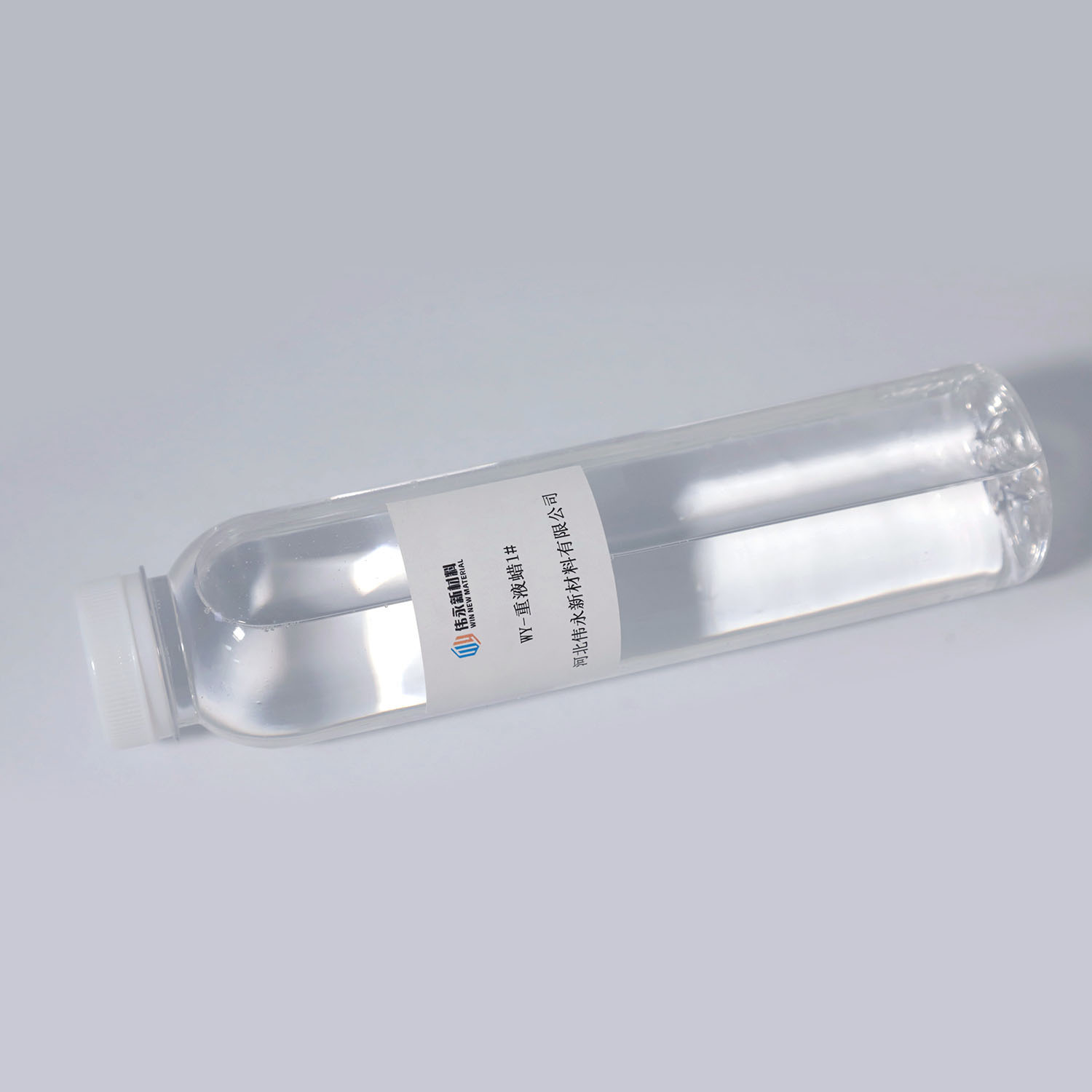
Laboratory testing quantifies the exact physical and chemical properties of the shipment. These metrics determine how the material will perform within your specific manufacturing environment and equipment.
Viscosity measures the resistance to flow. Matching the viscosity at 40°C and 100°C to your application requirements is critical for process control. Medical and cosmetic formulations require precise flow characteristics for proper skin feel and pumpability in filling machines. Industrial lubricants need specific viscosity grades to maintain a protective film under mechanical load. Analyze the temperature-viscosity curve to understand how the oil behaves under thermal stress. Sudden drops in viscosity at higher temperatures can lead to mechanical failures and excessive wear.
Manufacturers produce these oils from highly refined base stocks. The final product must consist strictly of saturated paraffinic and cycloparaffinic hydrocarbons. Test for aromatic impurities using UV absorption (ASTM D2269). High aromatic content increases toxicity and degrades UV stability. Ensuring low aromatics guarantees safety for consumer-facing products and prevents yellowing when exposed to sunlight or fluorescent lighting.
Density impacts volumetric calculations and blending ratios on the factory floor. Verifying specific gravity ensures physical consistency across different batches. Consistent density guarantees that automated filling machines dispense the correct weight into retail packaging. Variations in specific gravity often indicate that the supplier has blended different carbon fractions or introduced foreign diluents to cut costs.
These thermal metrics establish strict safety boundaries for your facility. The flash point determines the lowest temperature at which the vapors ignite. High flash points are mandatory for safe transportation and high-temperature processing. The pour point marks the lowest temperature at which the oil continues to flow. Formulators working in cold climates must verify the pour point to prevent the material from gelling in outdoor storage tanks and blocking transfer pumps.
Test Parameter | ASTM Standard | Purpose |
|---|---|---|
Color / Clarity | ASTM D156 | Detects oxidation and impurities |
Kinematic Viscosity | ASTM D445 | Measures flow resistance at specific temps |
Specific Gravity | ASTM D1298 | Ensures batch-to-batch consistency |
Flash Point | ASTM D92 / D93 | Determines fire safety limits |
Pour Point | ASTM D97 | Evaluates low-temperature flow |
Physical testing must align with rigorous documentation audits. Verifying paperwork ensures regulatory compliance and provides a traceable history of the batch in case of downstream defects.
Never accept generic product specification sheets as proof of quality. Buyers must demand recent, batch-specific COA documentation. The COA details the exact test results for the specific lot you are purchasing. Cross-reference the laboratory test methods listed on the COA with recognized international standards like ASTM or ISO. Discrepancies between the stated methods and industry norms warrant immediate investigation and potential rejection of the shipment.
Medical, pharmaceutical, and veterinary buyers face strict regulatory oversight. Verify compliance with USP (United States Pharmacopeia), BP (British Pharmacopoeia), or Ph. Eur. (European Pharmacopoeia) standards. These monographs mandate rigorous testing for heavy metals, carbonizable substances, and polycyclic aromatic hydrocarbons (PAHs). Failing to secure pharmacopoeia-certified material for medical applications leads to severe legal liabilities and product seizures.
Evaluate the Safety Data Sheets (SDS) thoroughly before the material arrives on site. Check for REACH registration documents if importing into the European Union. Ensure compliance with FDA food-contact regulations (such as 21 CFR 178.3620) if the material will be used in food packaging or processing machinery. Proper documentation shields your company from regulatory fines and import delays at customs.
High-quality oil easily degrades if packed or stored improperly. Logistical checks prevent post-production contamination and preserve material integrity during transit.
Assess the packaging integrity before accepting delivery from the freight carrier. Inspect steel drums, IBC totes, or ISO tanks for signs of damage. Look for rust, moisture, or residual chemicals from previous shipments on the exterior. Test the moisture-proof seals on all valves and caps. Water ingress creates emulsions, turning the clear oil cloudy. Moisture also promotes microbial growth in certain formulations, destroying the entire batch before it even enters your process.
Evaluate the compatibility of packaging linings and gaskets. Certain rubber seals or low-grade plastic liners degrade when exposed to hydrocarbons over long transit times. This incompatibility leads to plasticizer leaching, which contaminates the oil and alters its chemical profile. Specify high-density polyethylene (HDPE) or appropriately lined steel containers to maintain absolute purity from the refinery to your facility.
Implementing a standardized workflow eliminates guesswork and forces suppliers to meet your exact specifications before shipping bulk quantities.
Step 1: Application Alignment: Clearly define the target viscosity, purity level, and specific grade requirements with the supplier upfront.
Step 2: Sample Verification: Request a pre-shipment sample from the actual production batch. Send this sample to an independent laboratory for verification.
Step 3: Document Audit: Verify the batch-specific COA, pharmacopoeia certifications, and full traceability records.
Step 4: Packing Inspection: Confirm the container standards, liner materials, and sealing protocols prior to dispatch.
Securing high-quality materials requires proactive testing and strict supplier oversight. Implement these action-oriented steps to protect your production lines:
Establish a baseline sensory test for all incoming deliveries to catch obvious contamination immediately on the loading dock.
Mandate independent laboratory verification of kinematic viscosity and flash point for every new supplier before signing long-term contracts.
Reject any shipment that lacks a batch-specific Certificate of Analysis tied directly to the container numbers.
Audit the packaging materials to ensure they do not leach plasticizers or allow moisture ingress during transit.
A: The Saybolt Color test measures visual clarity and transparency. A high score (+30) indicates exceptional purity and complete refinement. Lower scores reveal yellowing or cloudiness, which points to thermal degradation, oxidation, or incomplete removal of impurities during the manufacturing process.
A: Shorter carbon chains (C10-C13) produce lighter, highly fluid oils with low viscosity and high volatility. Longer carbon chains (C18-C21) create heavier, thicker oils with high viscosity and superior lubricating properties that resist breaking down under thermal stress.
A: Cloudiness typically results from moisture contamination during transit or storage. It can also occur if the oil contains unrefined waxes that precipitate out of solution when the temperature drops. Both issues indicate poor quality control or compromised packaging seals.
A: PAHs are toxic and potentially carcinogenic impurities left over from incomplete refining. Medical and pharmaceutical applications require absolute safety. Testing ensures PAH levels remain below the strict limits set by pharmacopoeia standards.
A: A lower-than-expected flash point indicates the presence of highly volatile light-end hydrocarbons. This compromises thermal stability and creates severe fire hazards during transportation, storage, and high-temperature manufacturing processes.
A: No. Generic specification sheets only show the theoretical ranges a product might meet. A batch-specific Certificate of Analysis (COA) provides the actual laboratory test results for the exact material you are purchasing, ensuring it meets your precise requirements.


